Exhibition (overview)
SPACE BYI / 2025 / Edition I: A Pavilion at the Wrong Biennale
SPACE BYI is an experimental digital platform at the intersection of mathematics, geometry, and artistic expression. As an official pavilion of the biennale, Edition I unites works which probe how numbers, shapes, rules, and algorithms can function as a visual language. The online-only exhibition opens on 1 November 2025 and runs until 31 March 2026. Edition I grows from three active parts of the platform: Mail Art, and Mathematical Poetry. It brings together artists, writers, and researchers working with computational, geometric, and rule-based methodologies. Accepted works span image, text, sound, video, interactive, and algorithmic formats. SPACE BYI invites boundary-pushing works that give top priority to rigor and clarity of idea. This is work in which structure and inquiry are foregrounded, not concealed – places where mathematics is lively and active, rather than simply illustrated. For inquiries, please contact curator Radoslav Rochallyi at info@rochallyi.com
Works / Math Poetry
Kirk Tougas , Alexander Limarev , Âmî Jey , AnneMarie Torresen , Carol Dorf , Claudia Tong , Jiaqi Liu , Joris Hens , Julio Velasco , Jürgen Trautwein , Lars Schumacher , Radoslav Rochallyi , Marian Christie , Nadia Coën , Pedro Poitevin , Rachel Yovel , Richard Zeiss , Risto Holopainen , Robert Matejcek , Sibylle Möndel , Snow (Sinuo) Chen , Wim Scheere
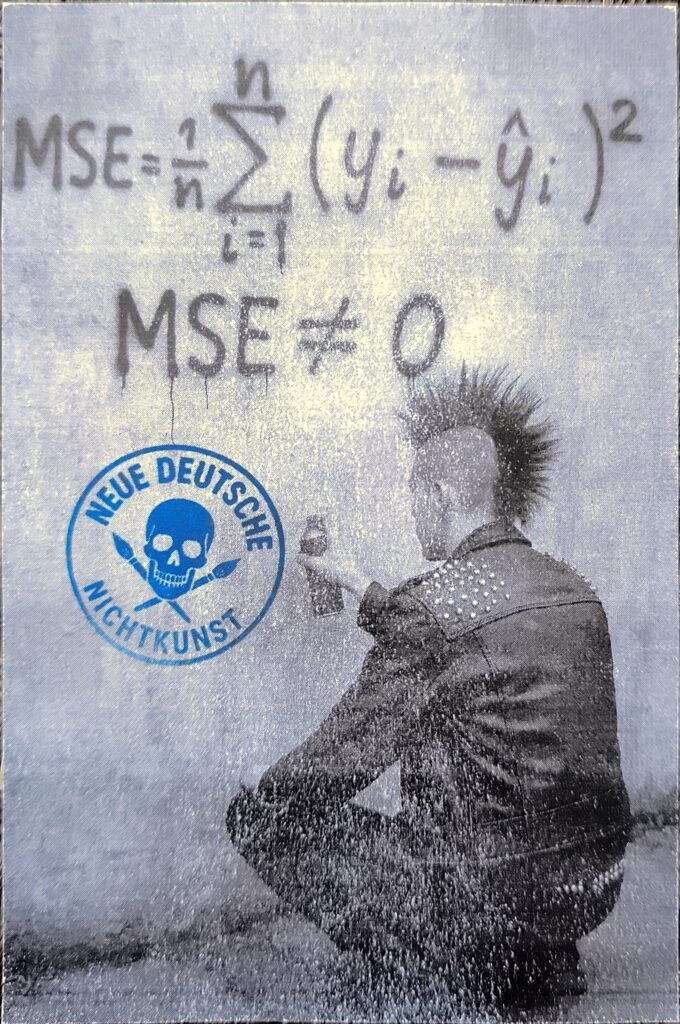
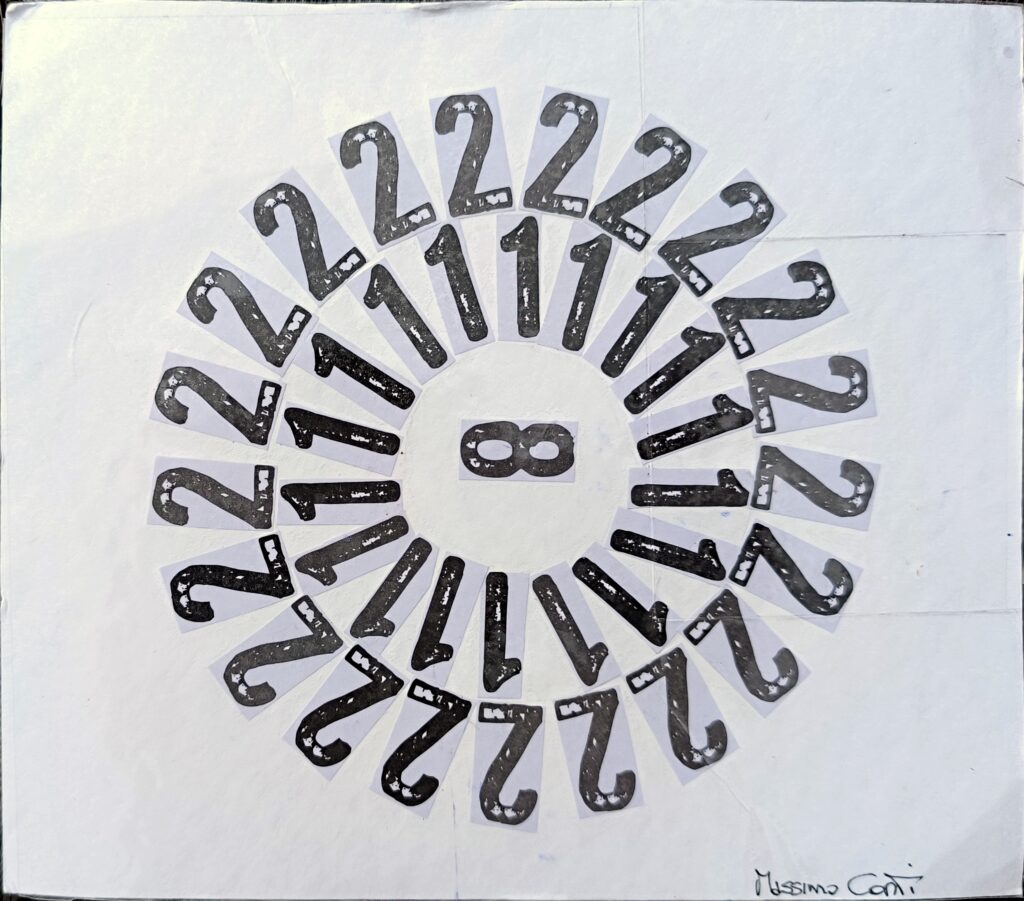
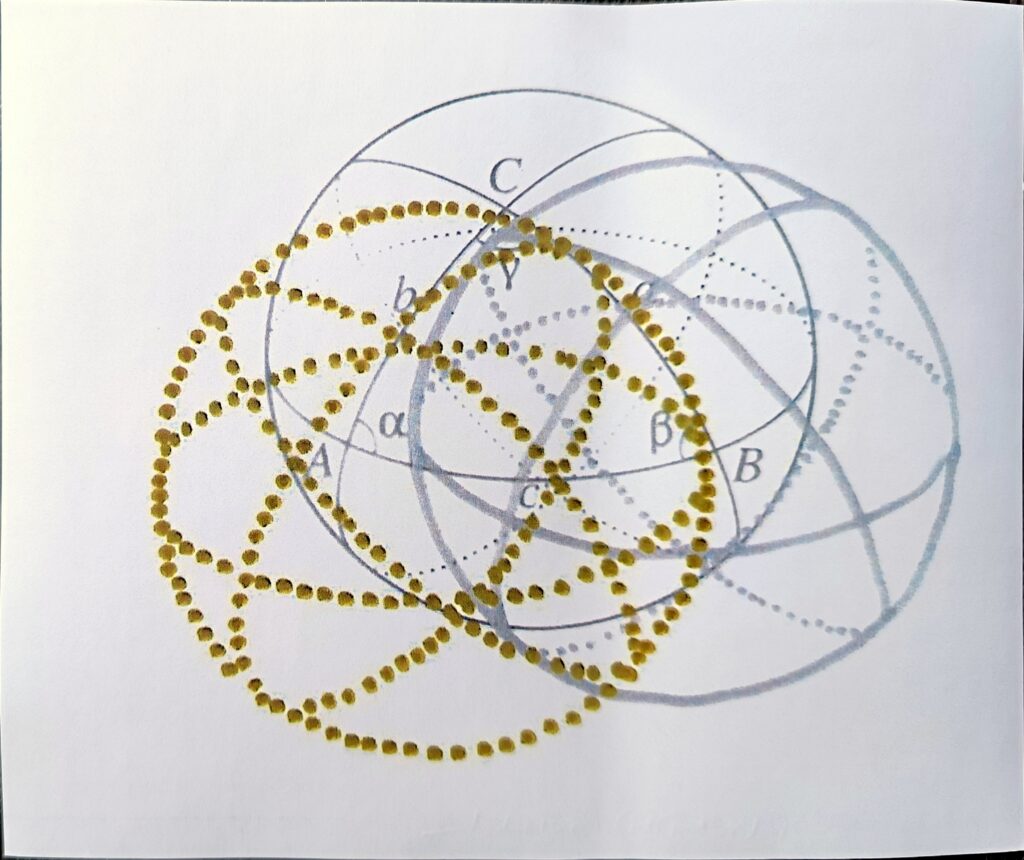
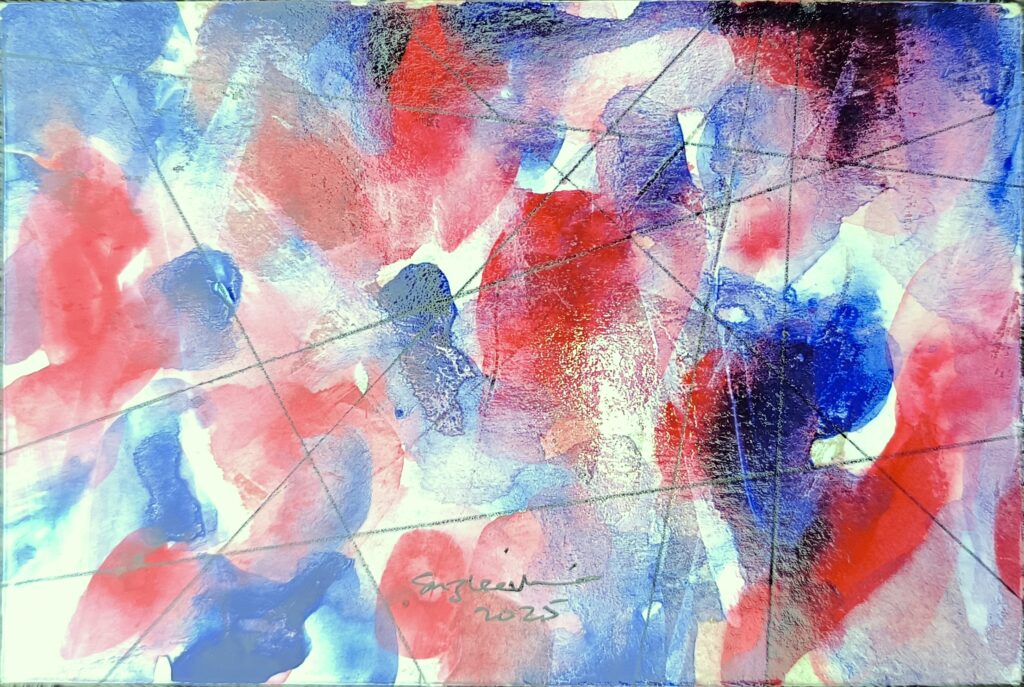
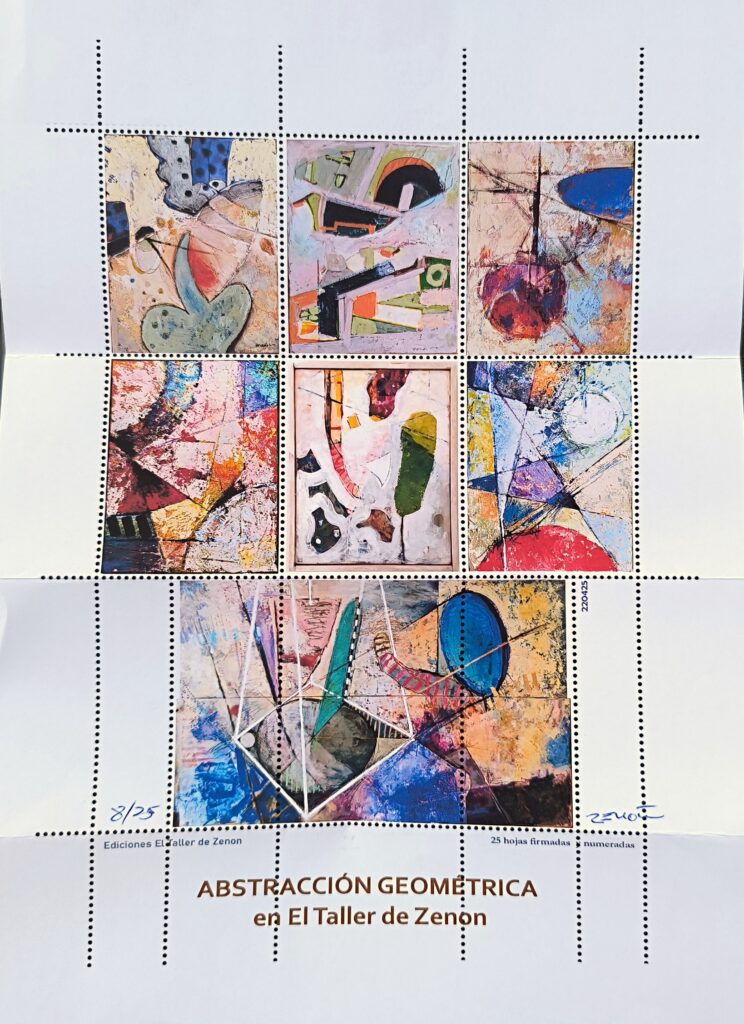
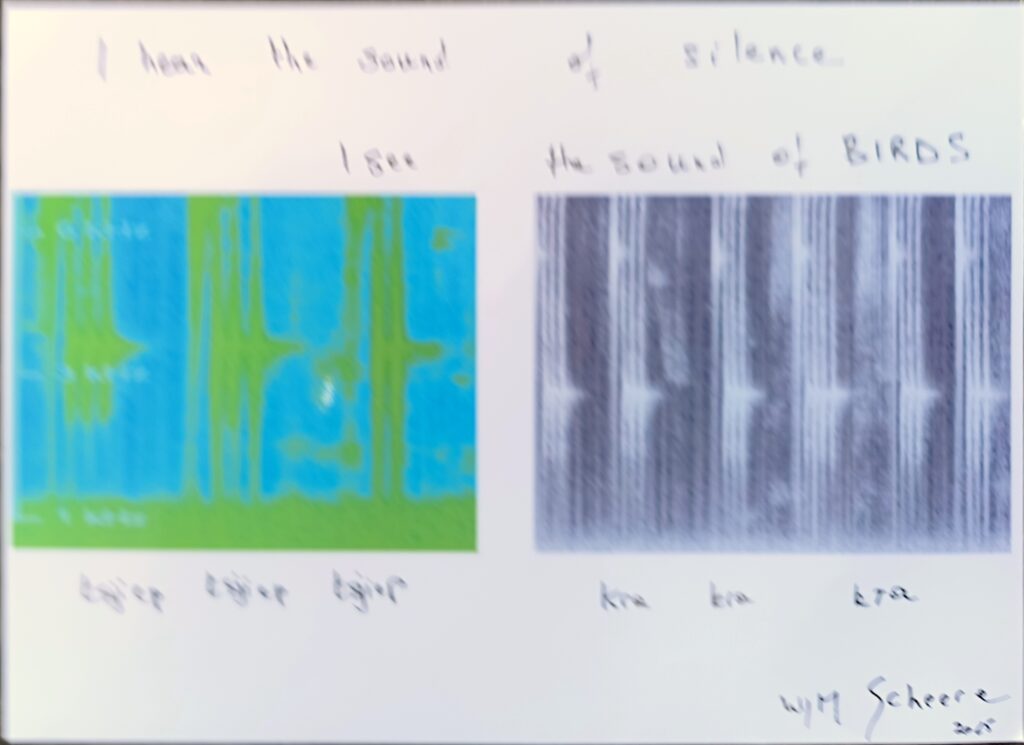
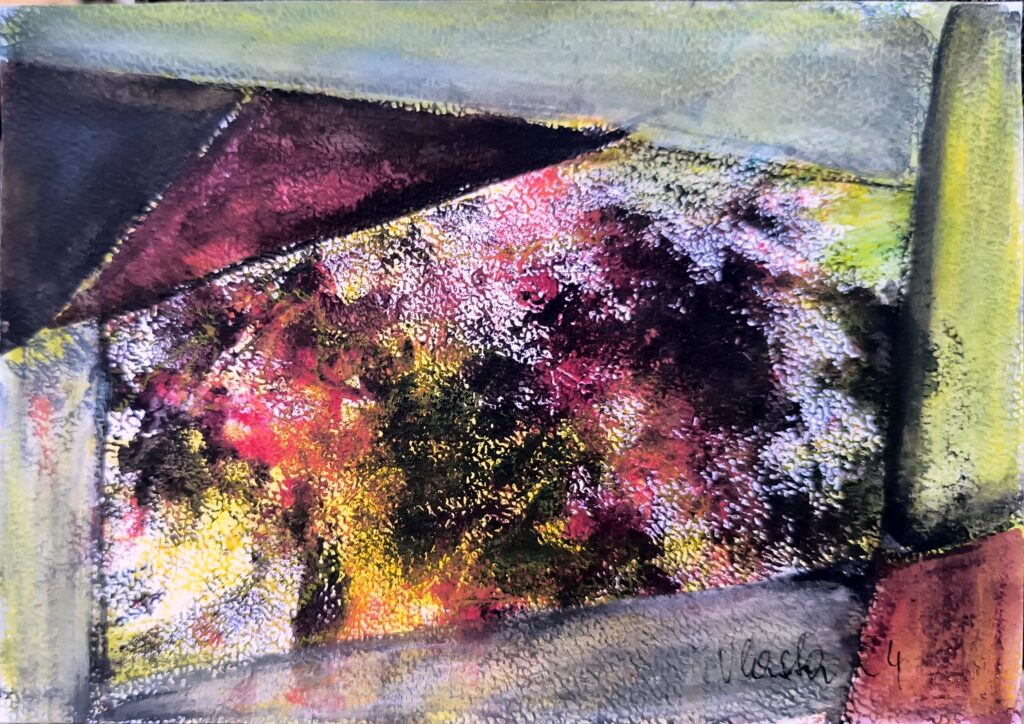
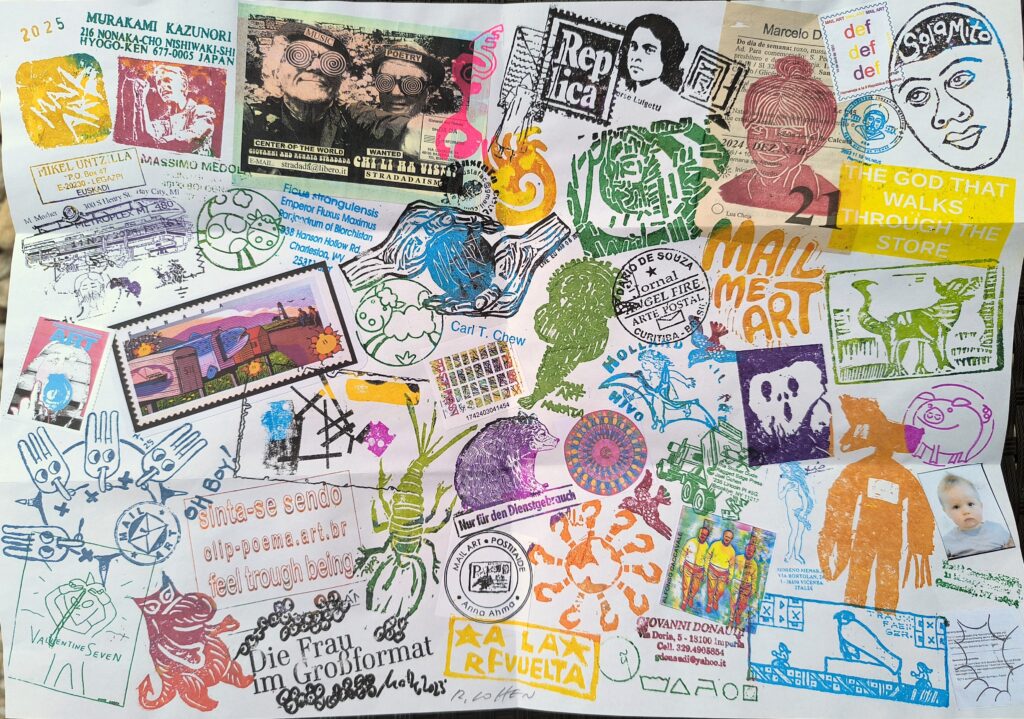
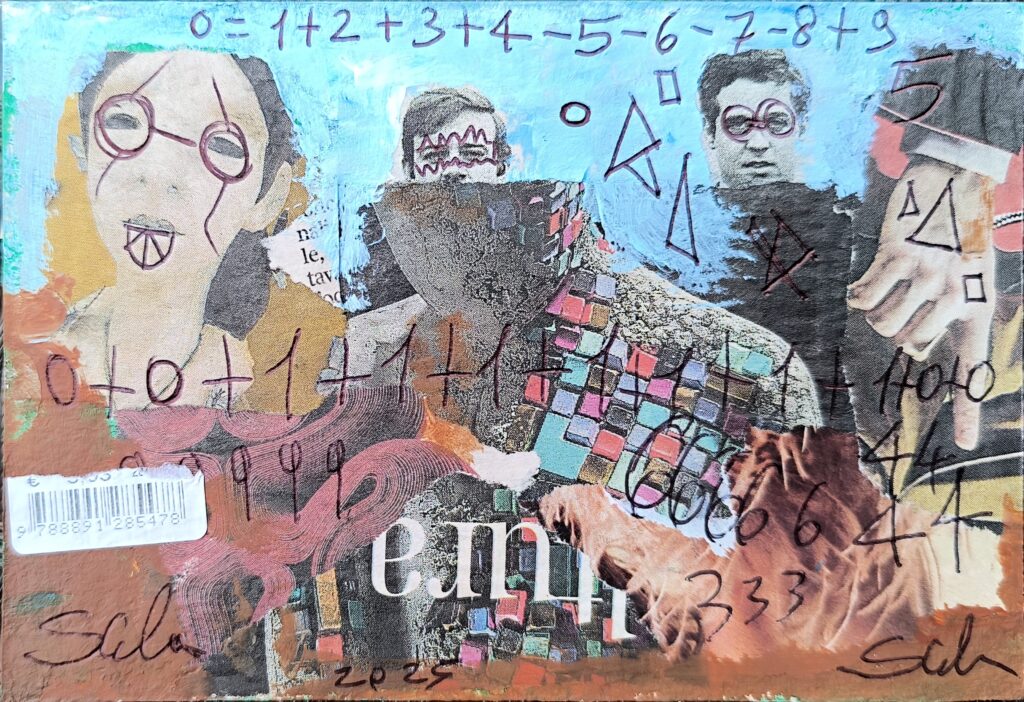
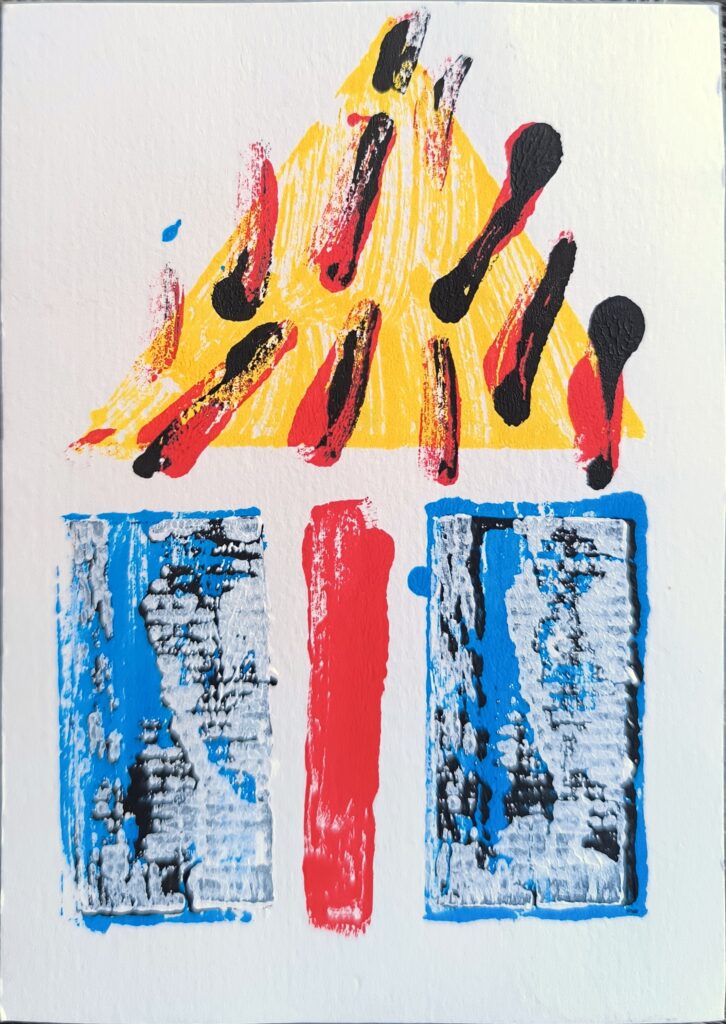
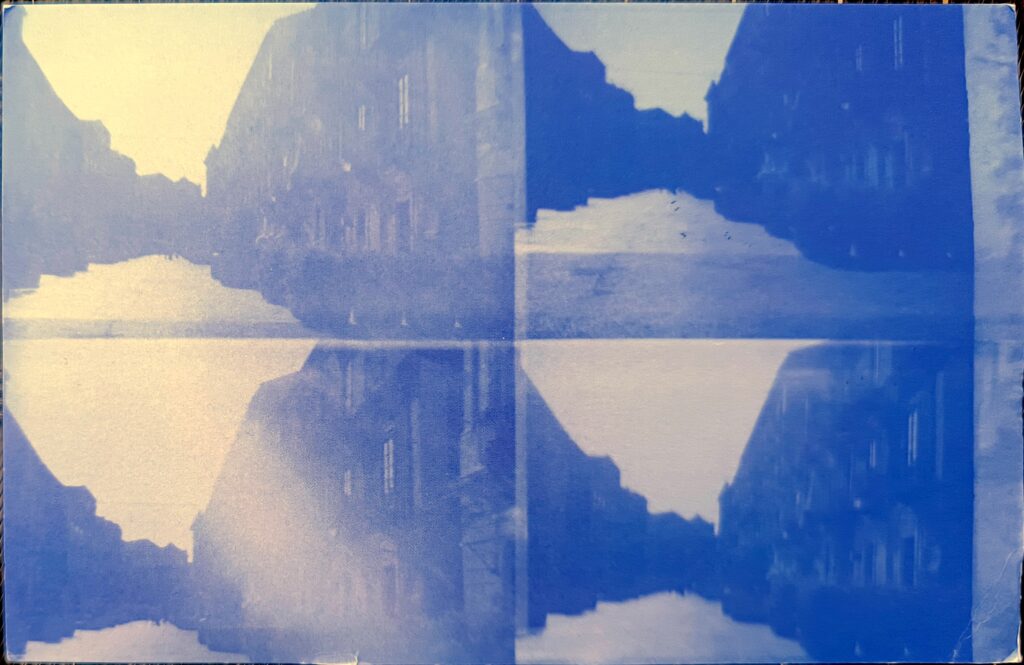
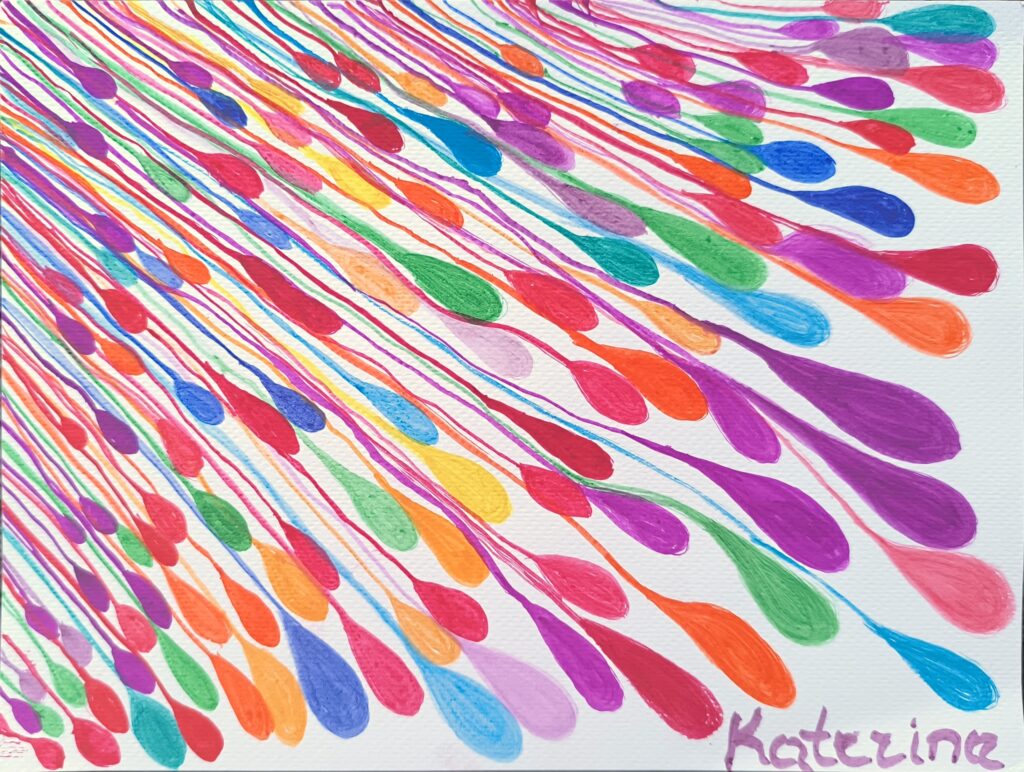
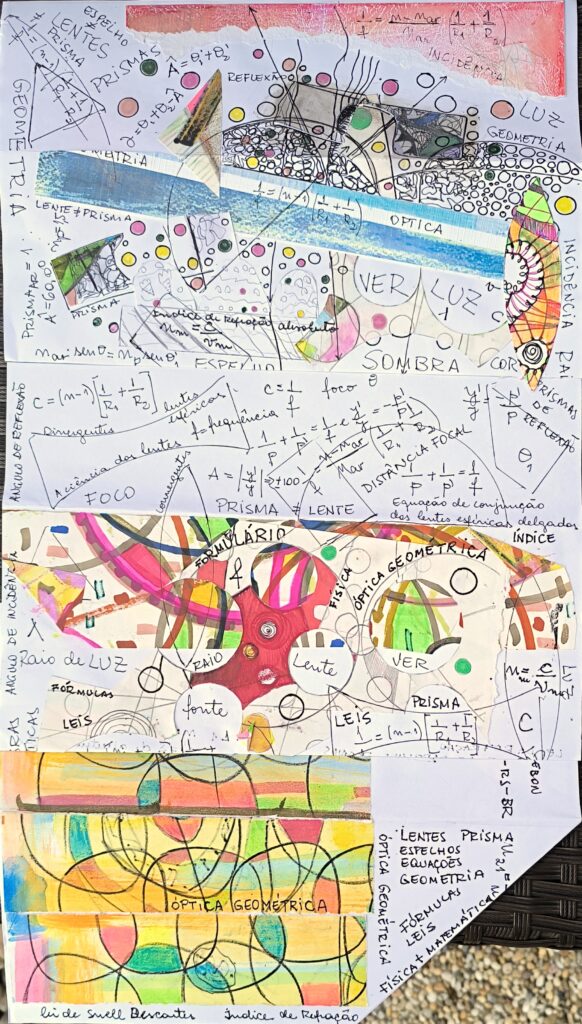
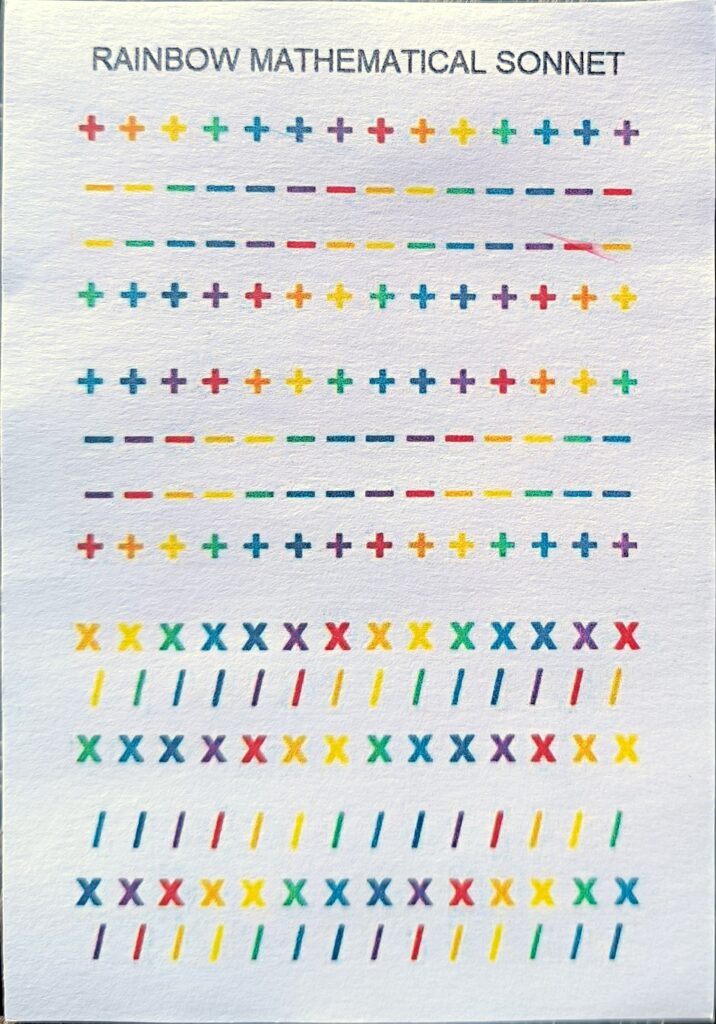
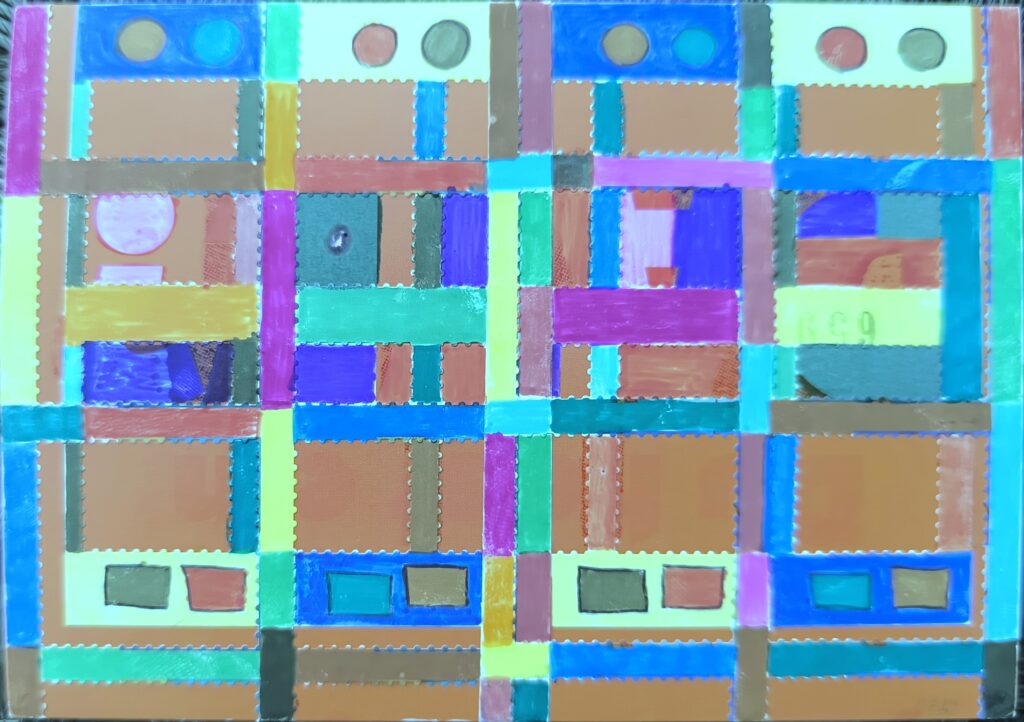
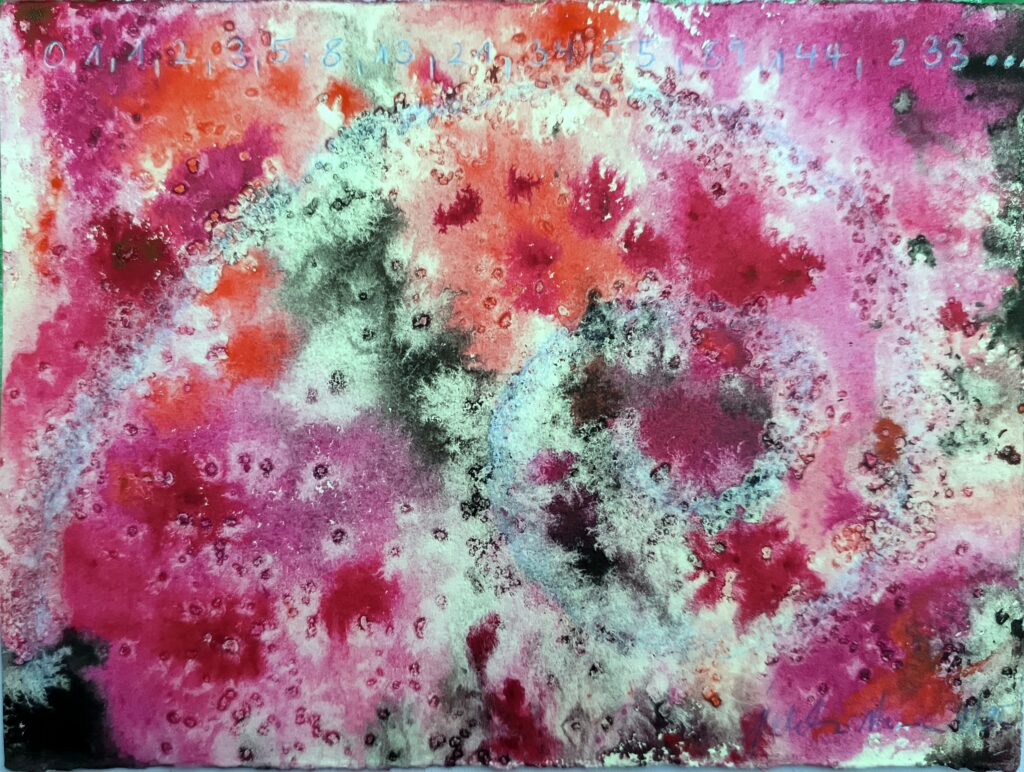
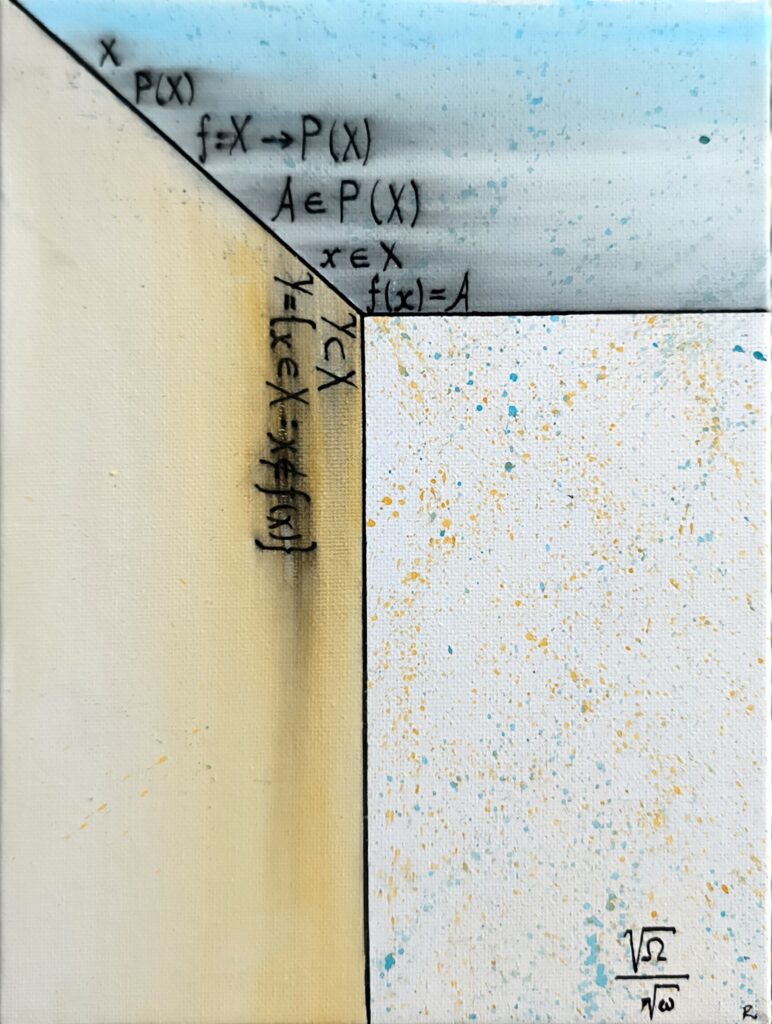
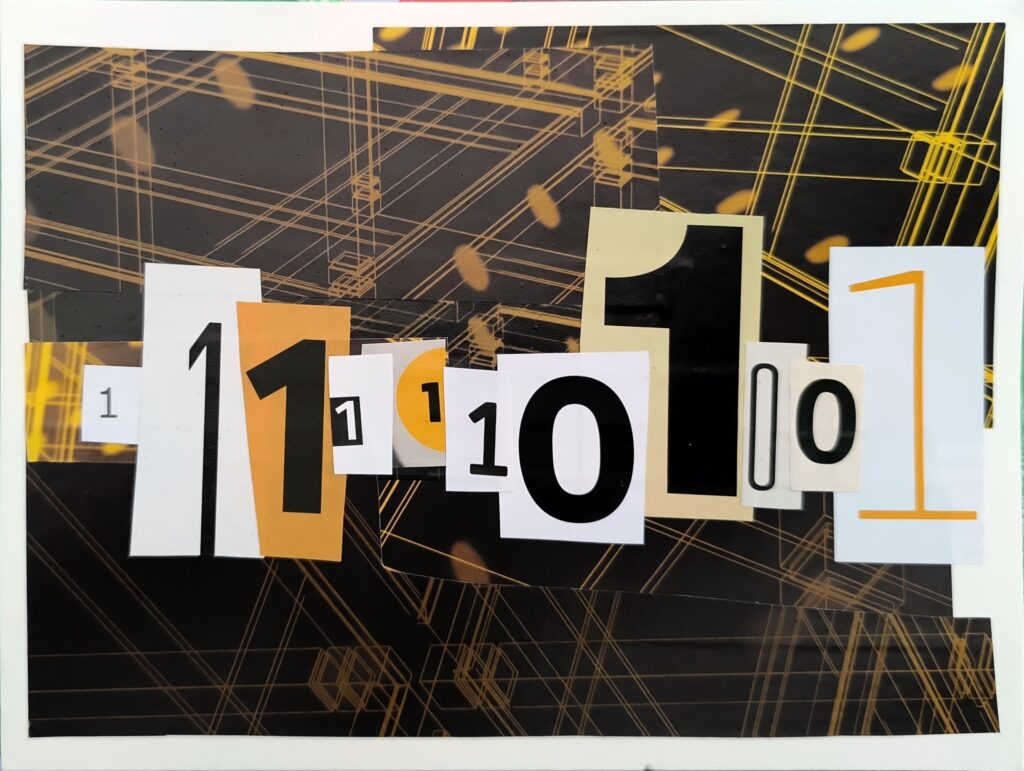
Works / Math-Mail art
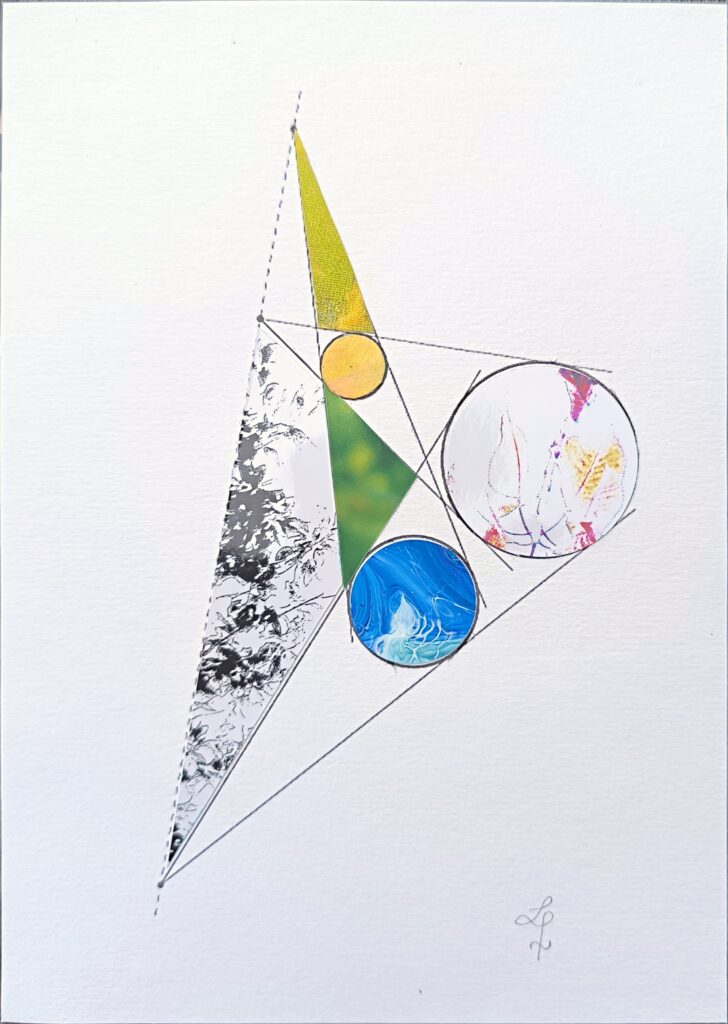
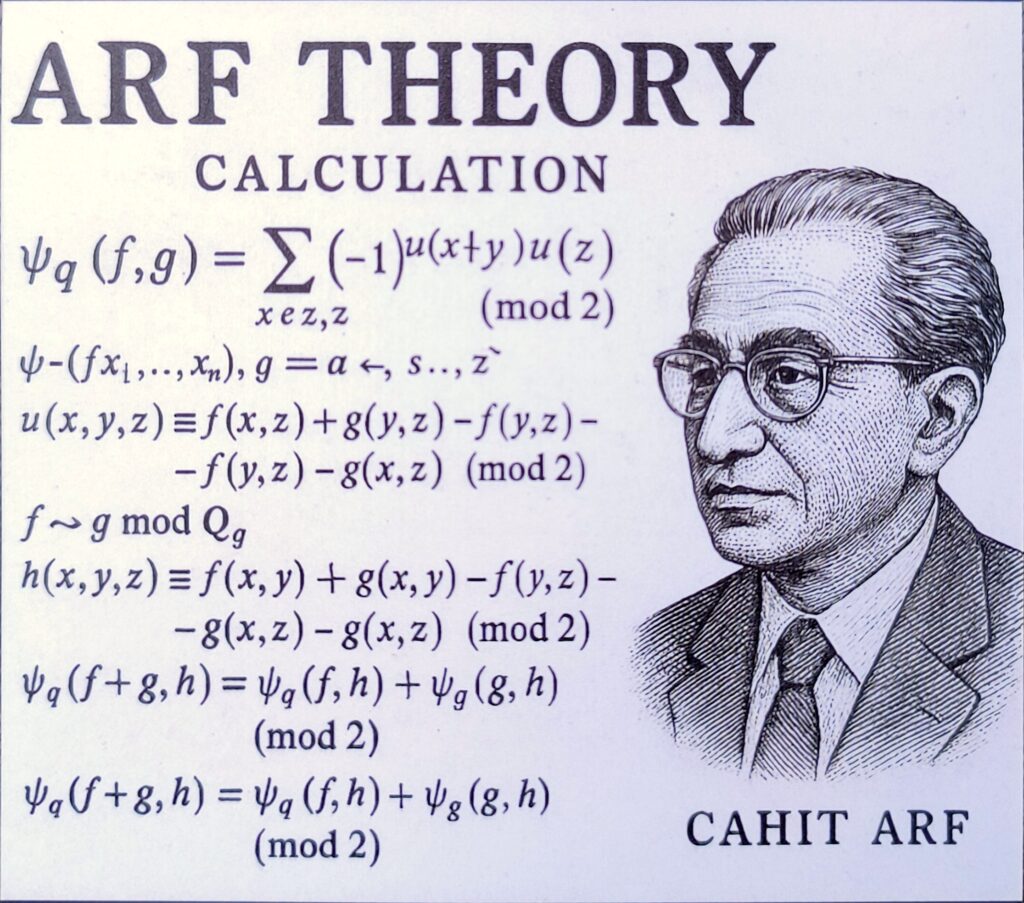
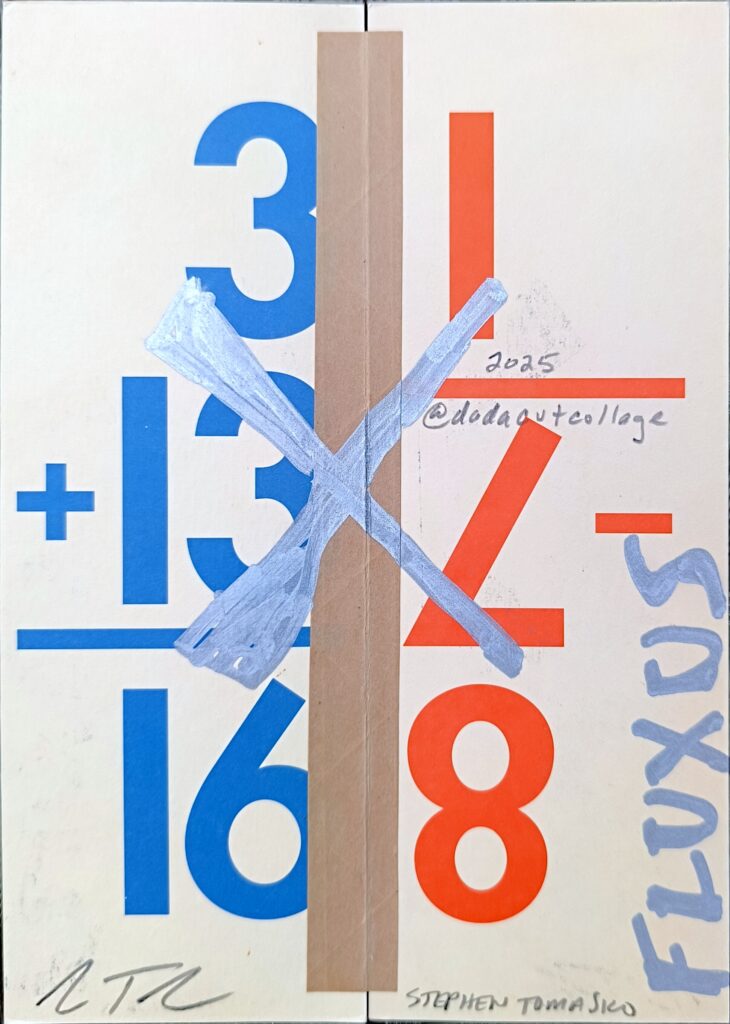
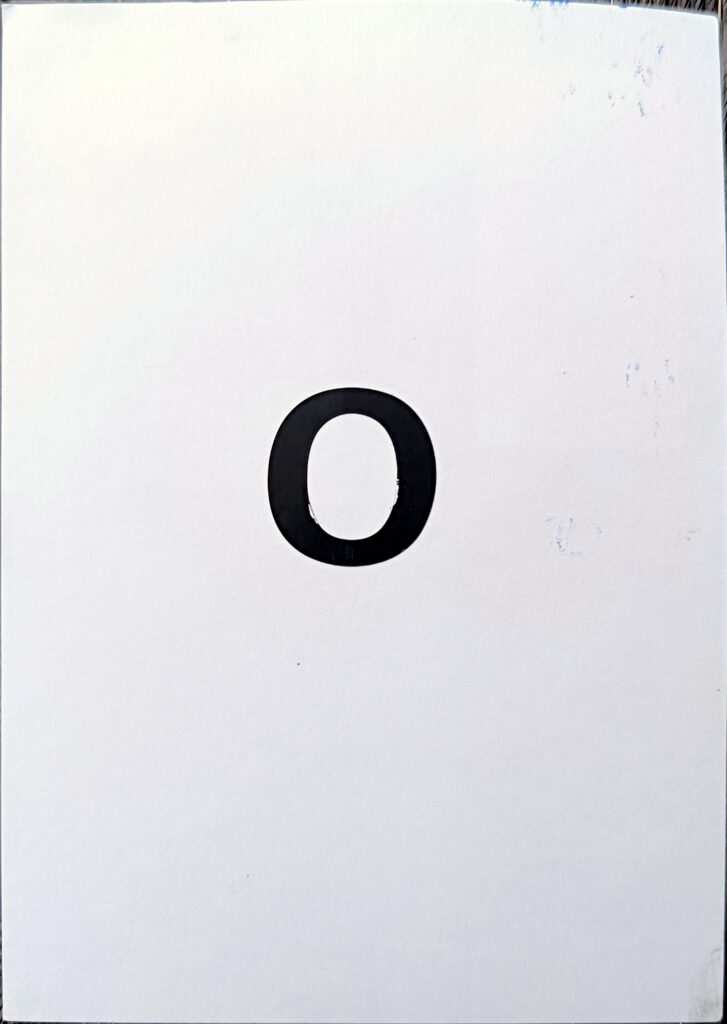
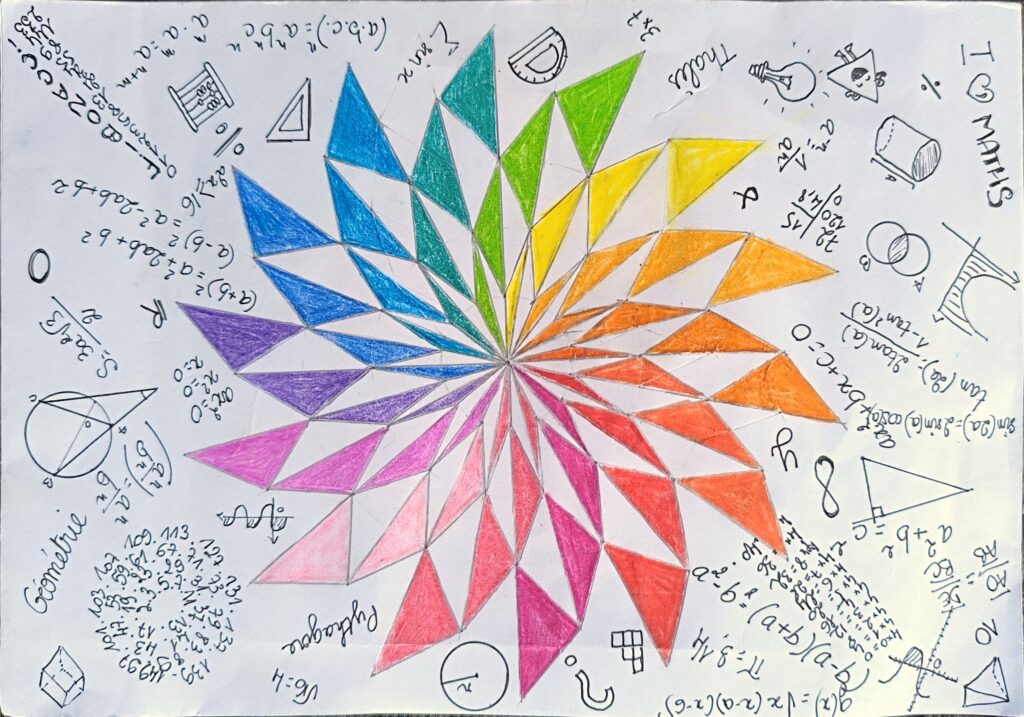
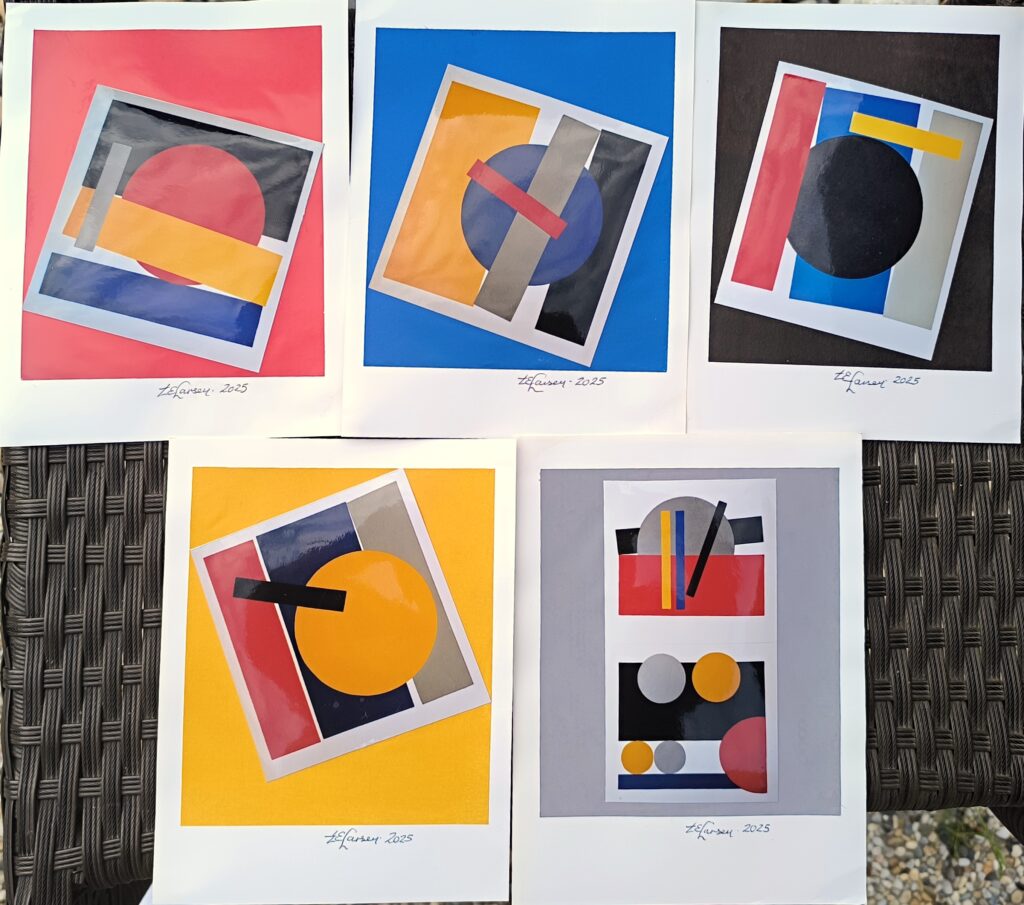
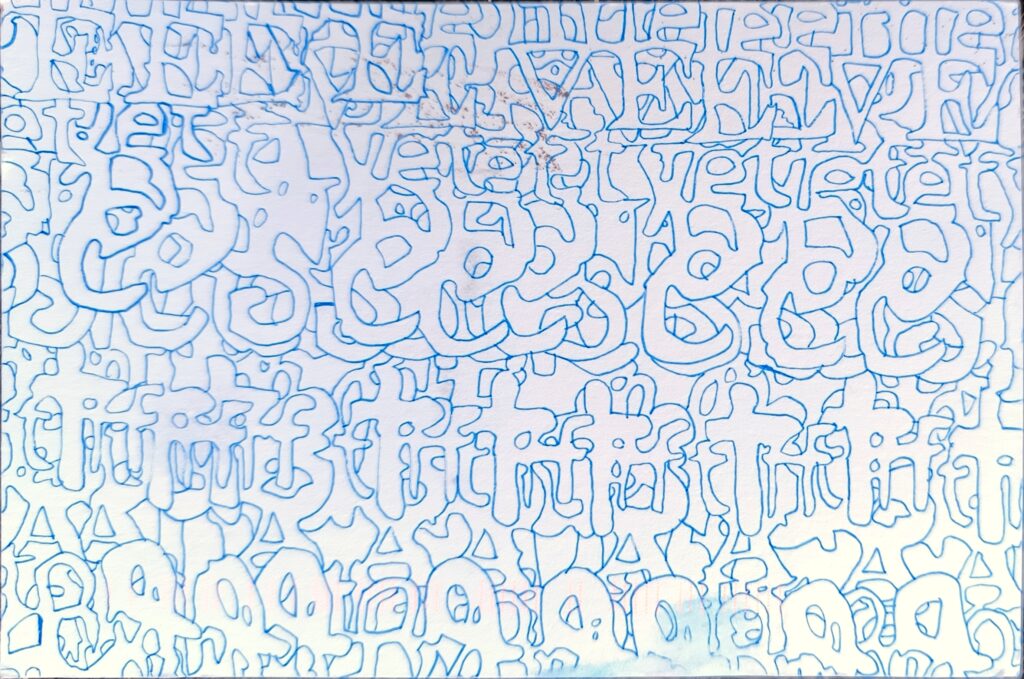
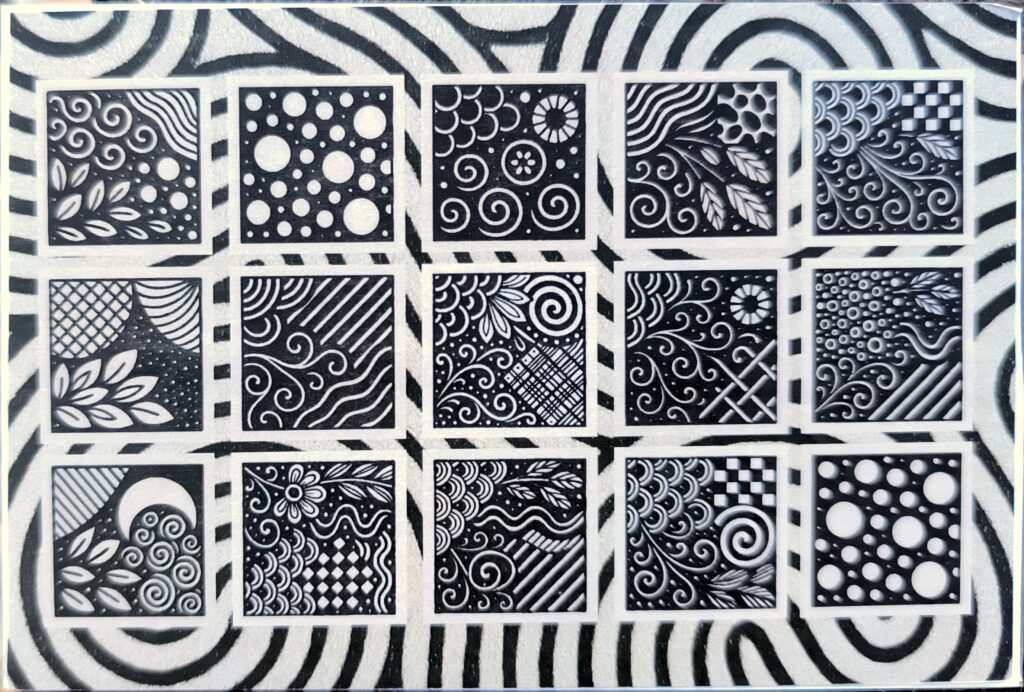
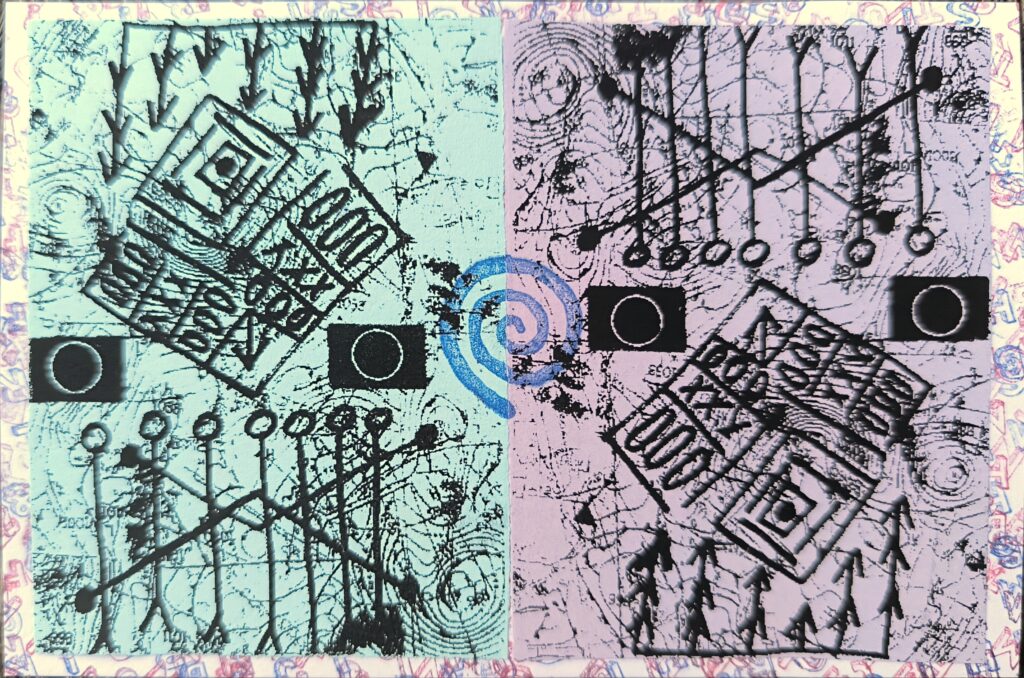
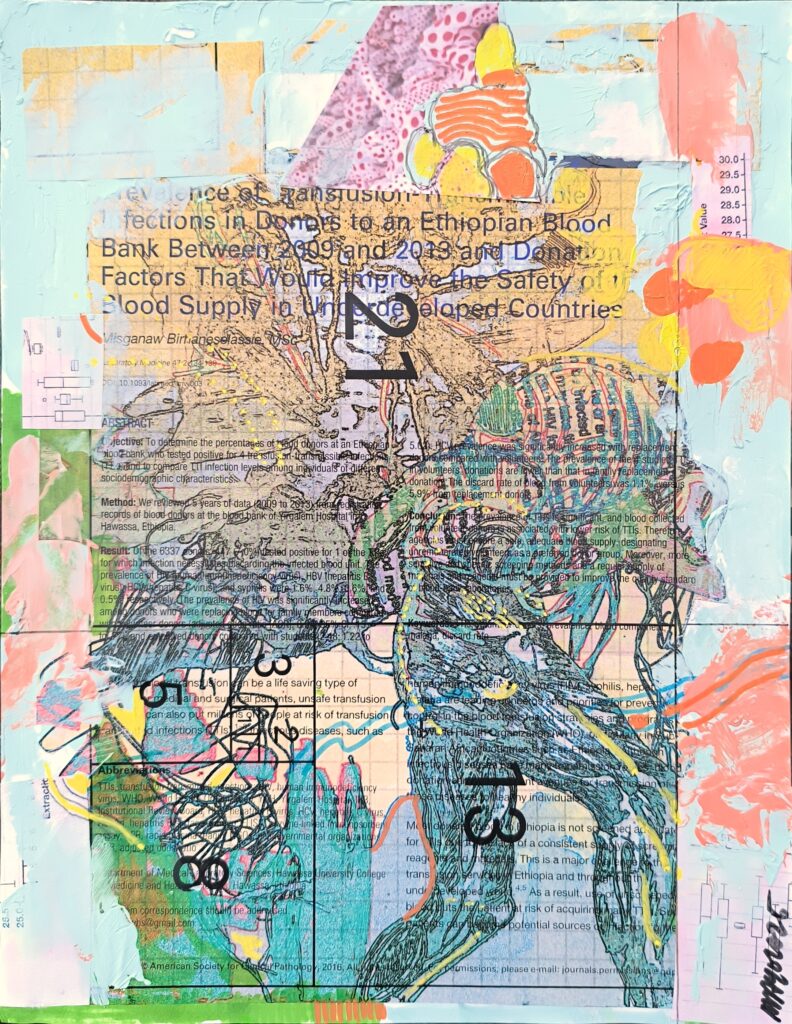
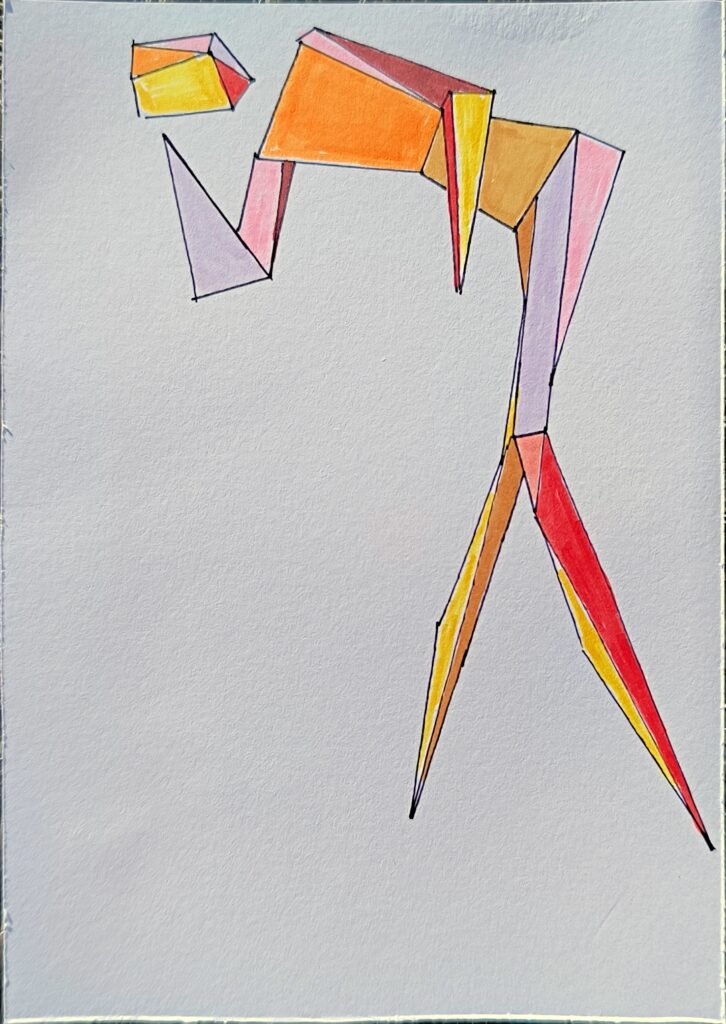
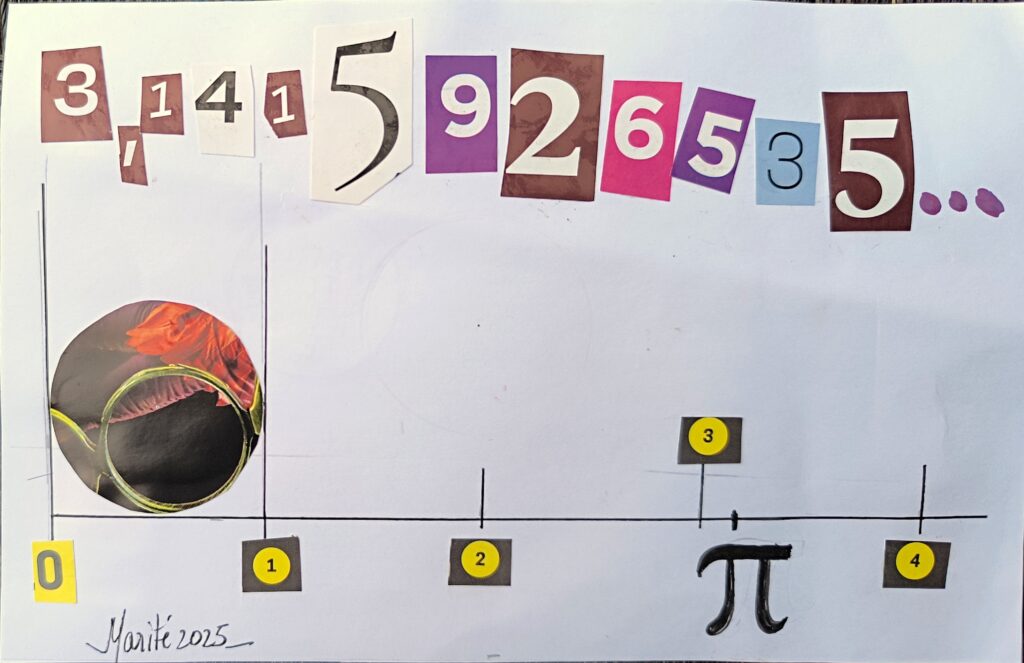
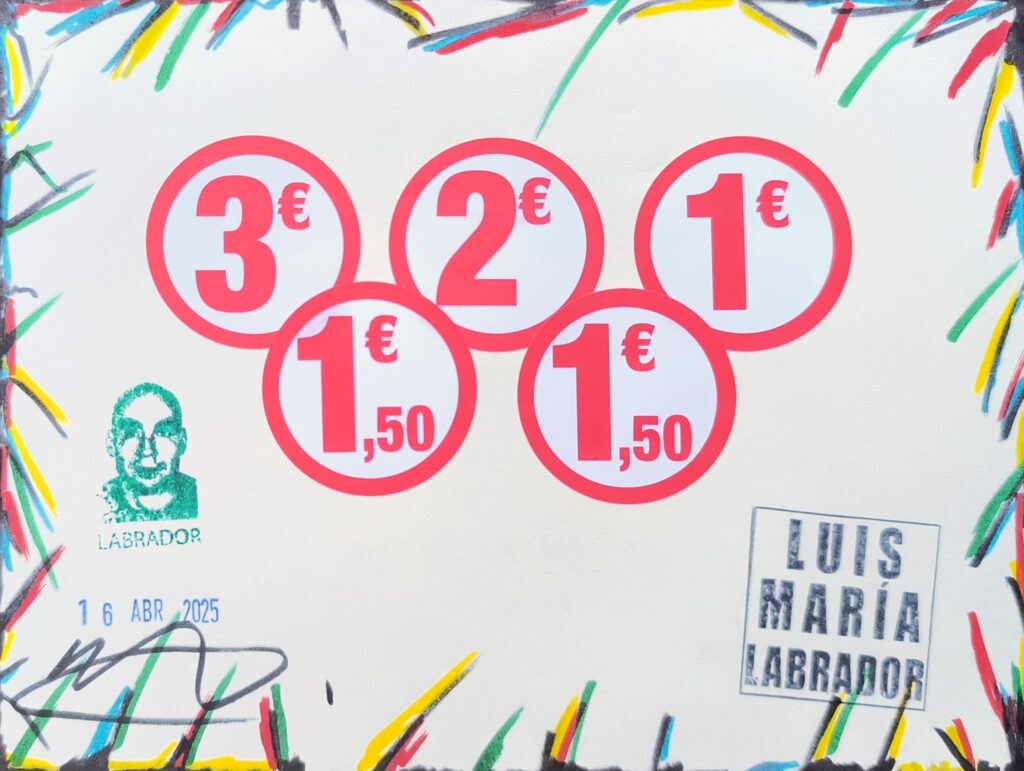
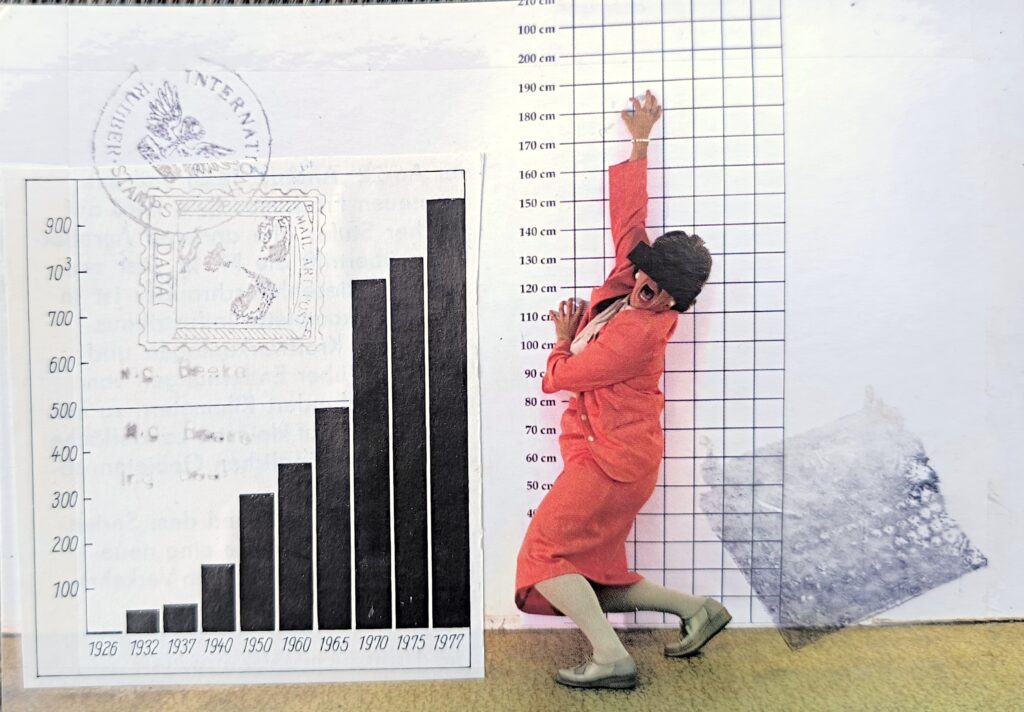
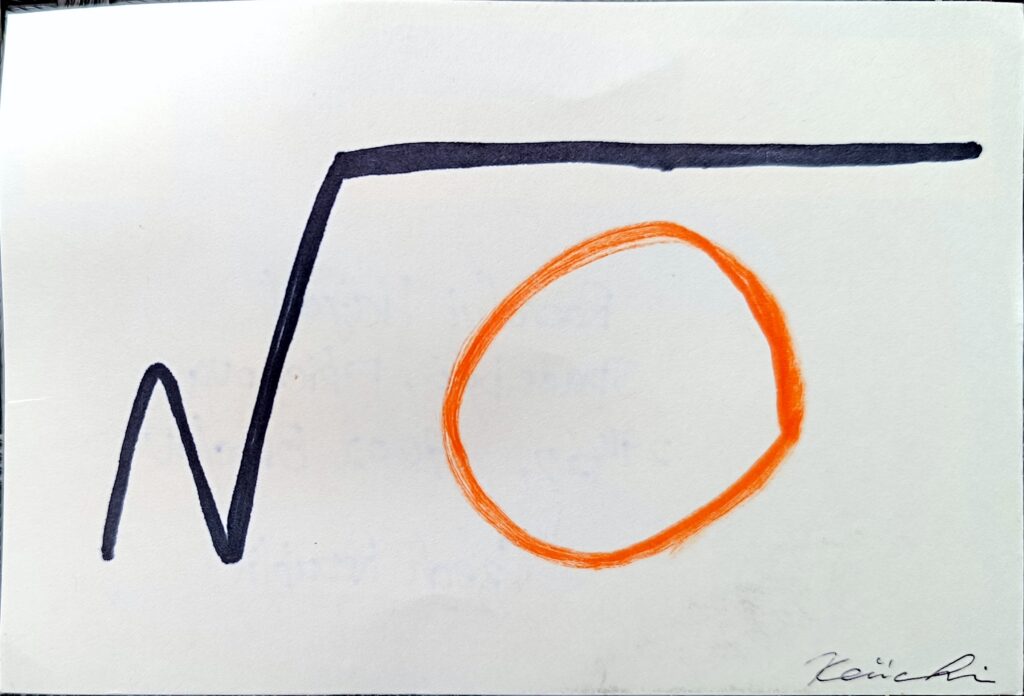
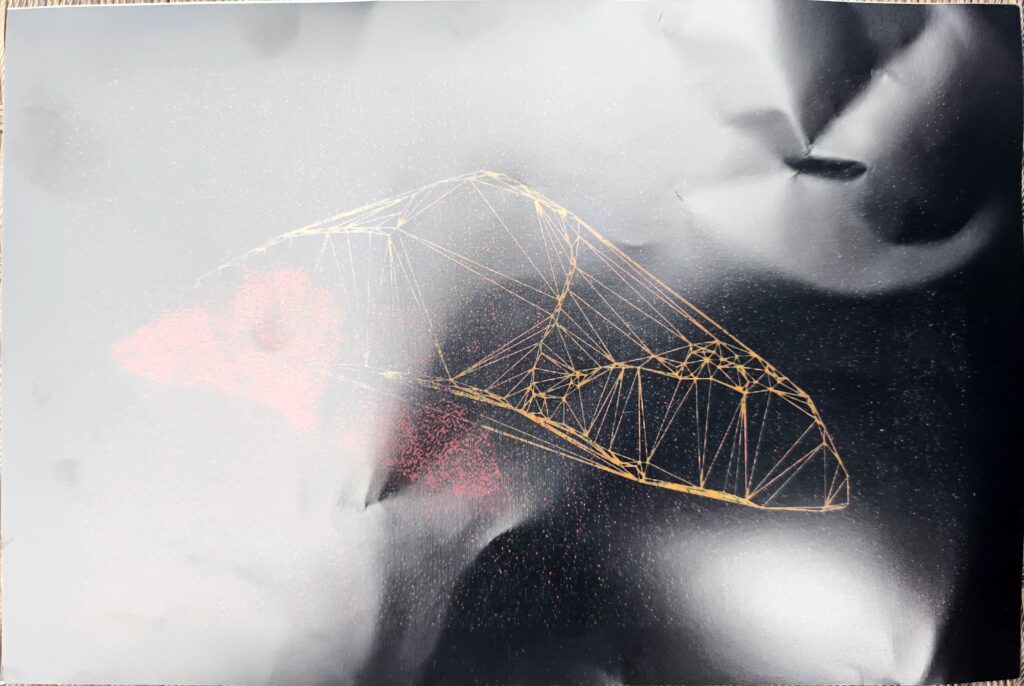
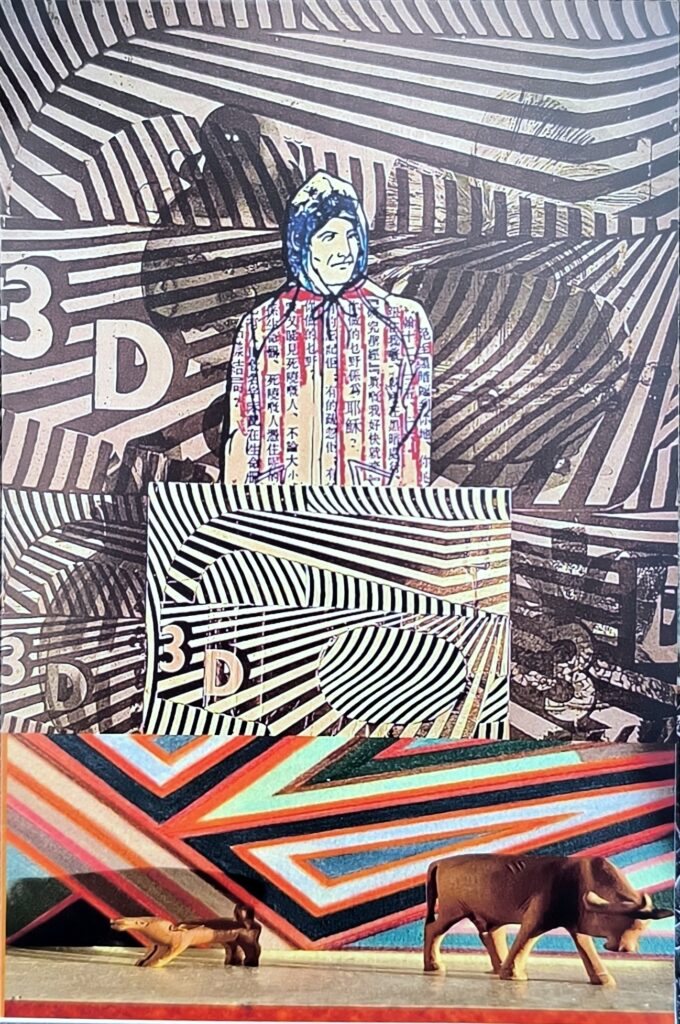
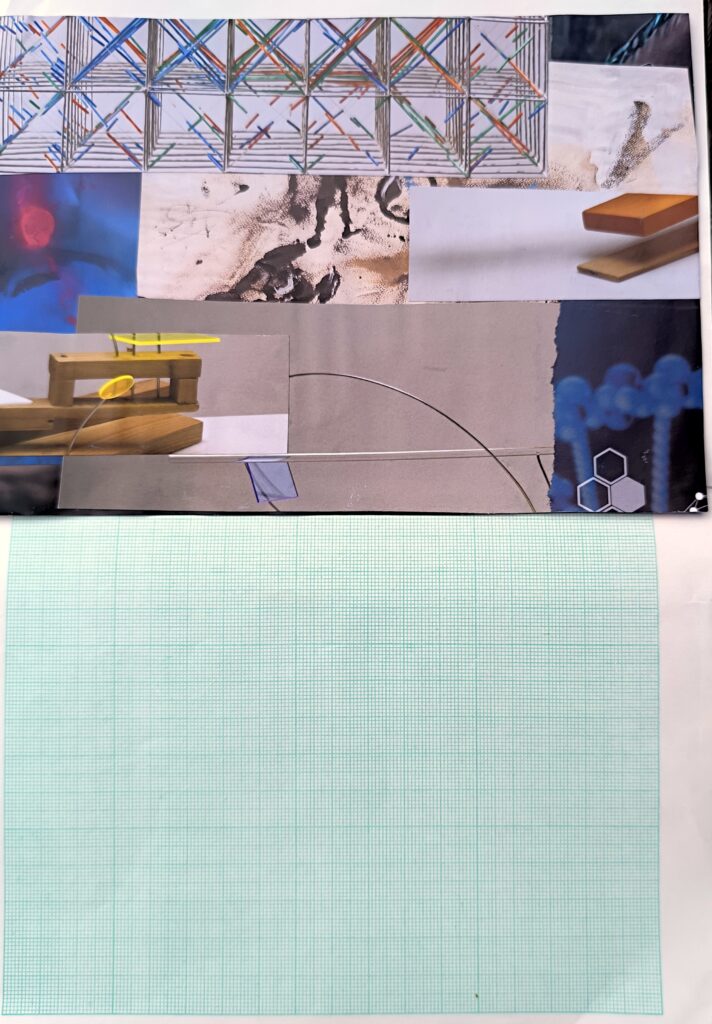
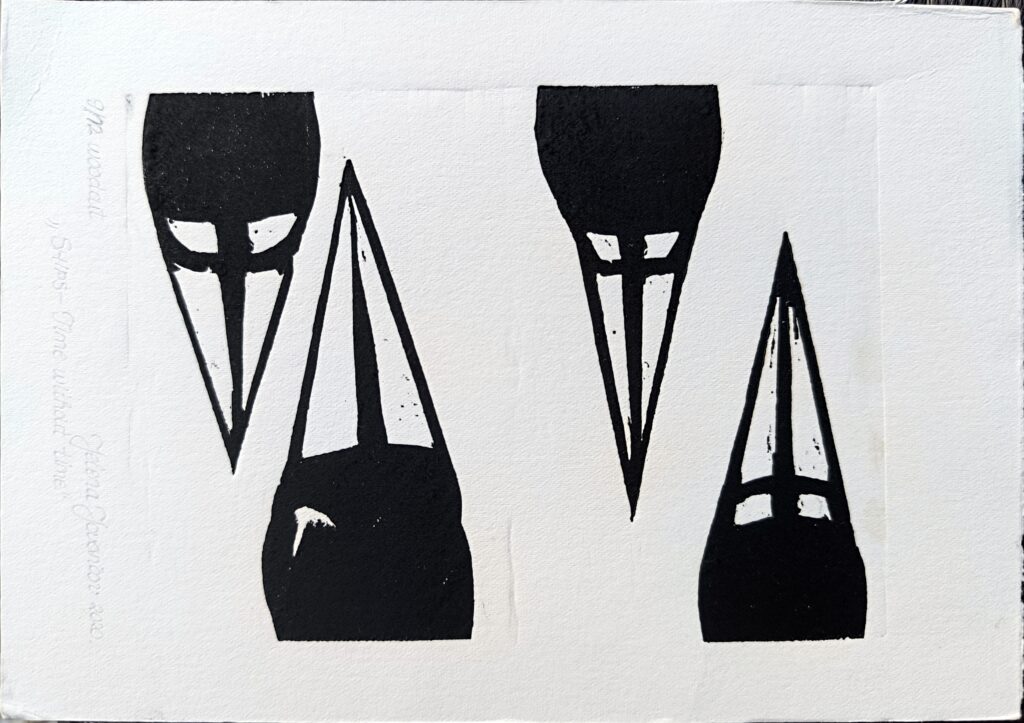
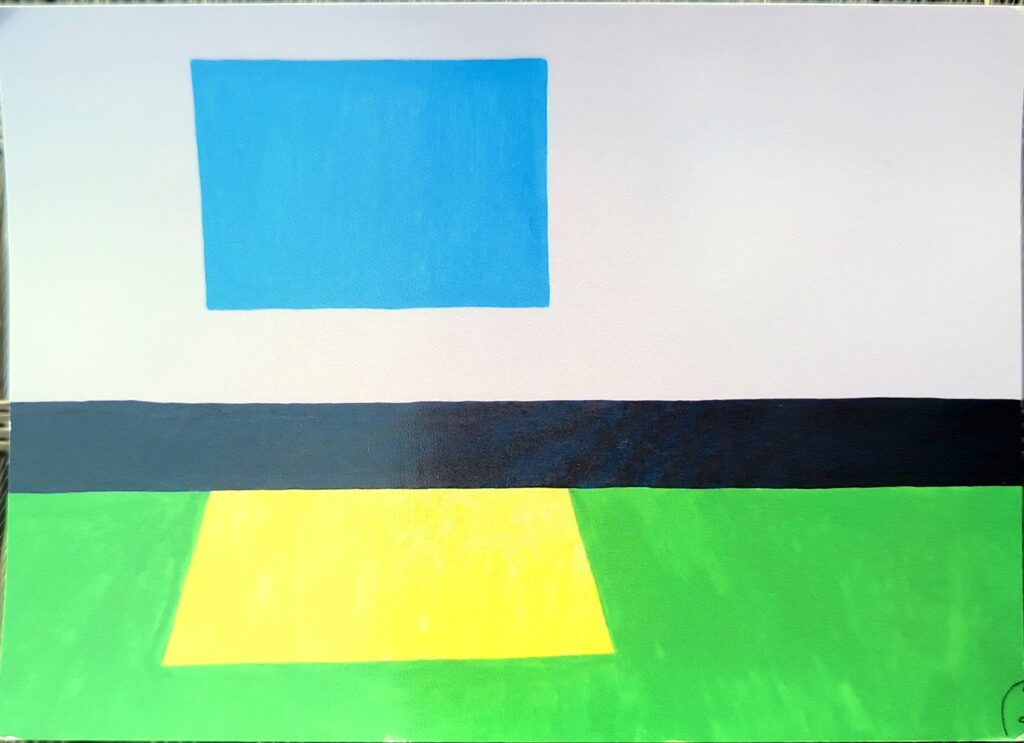
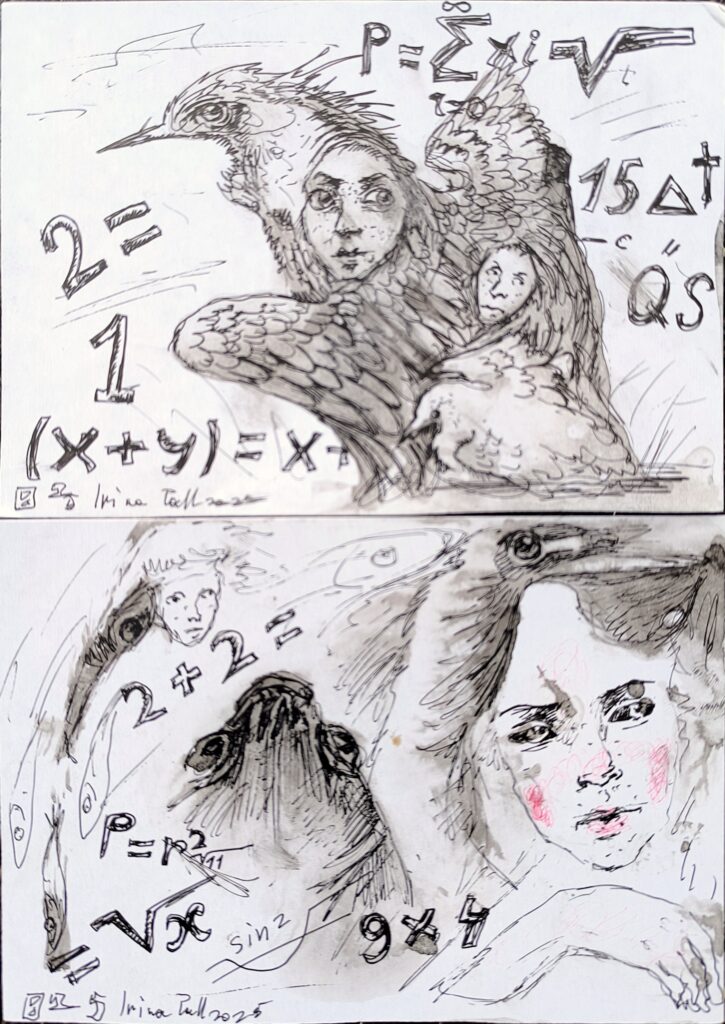
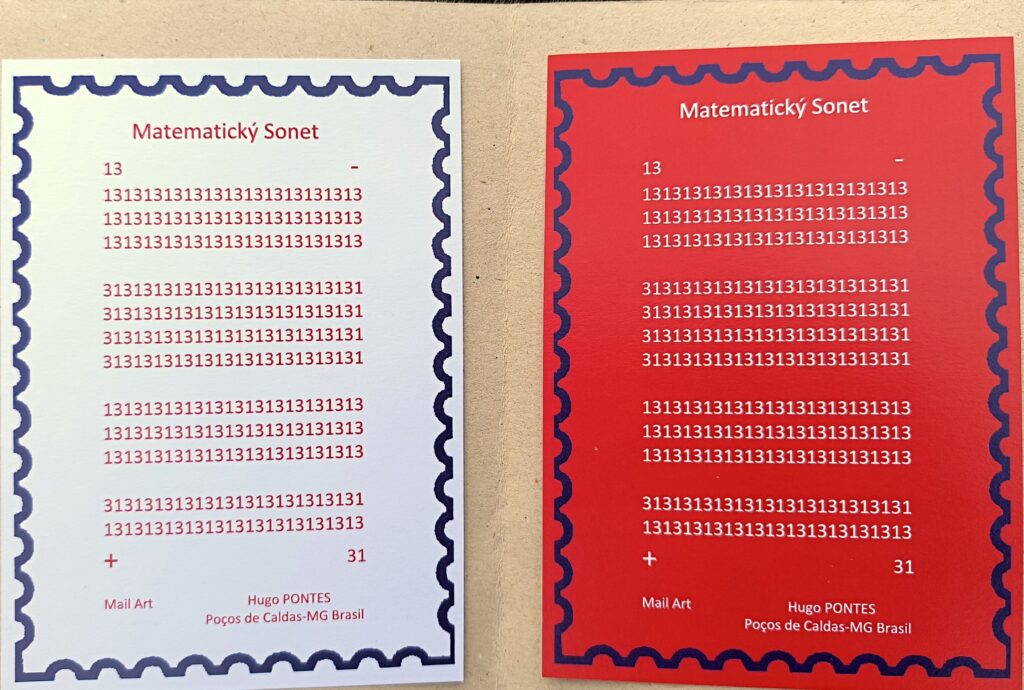
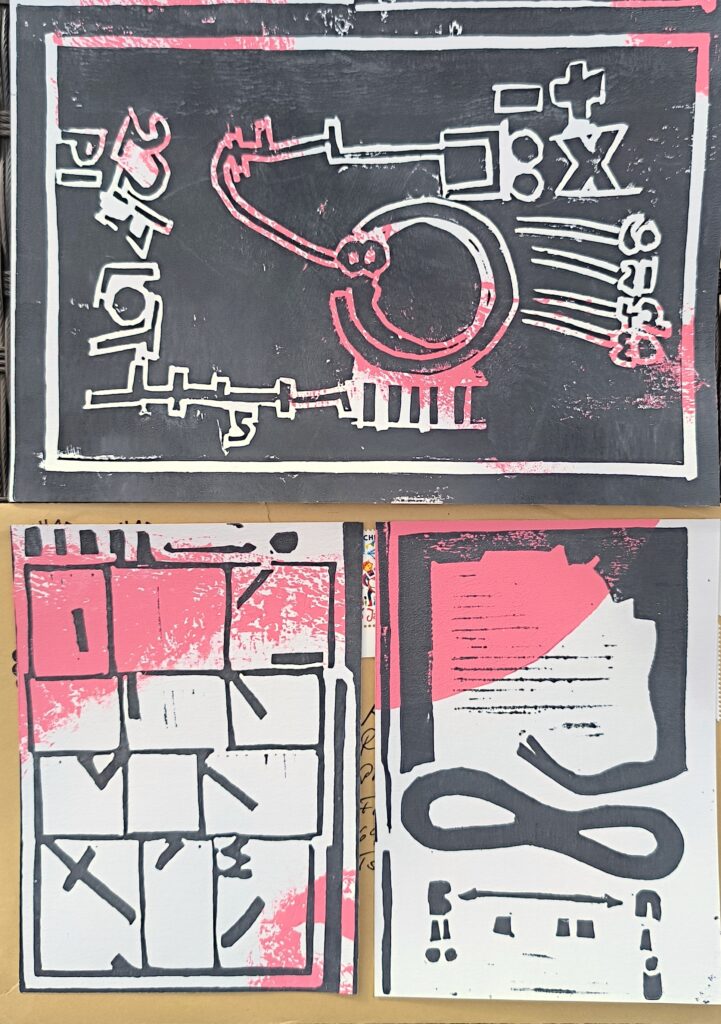
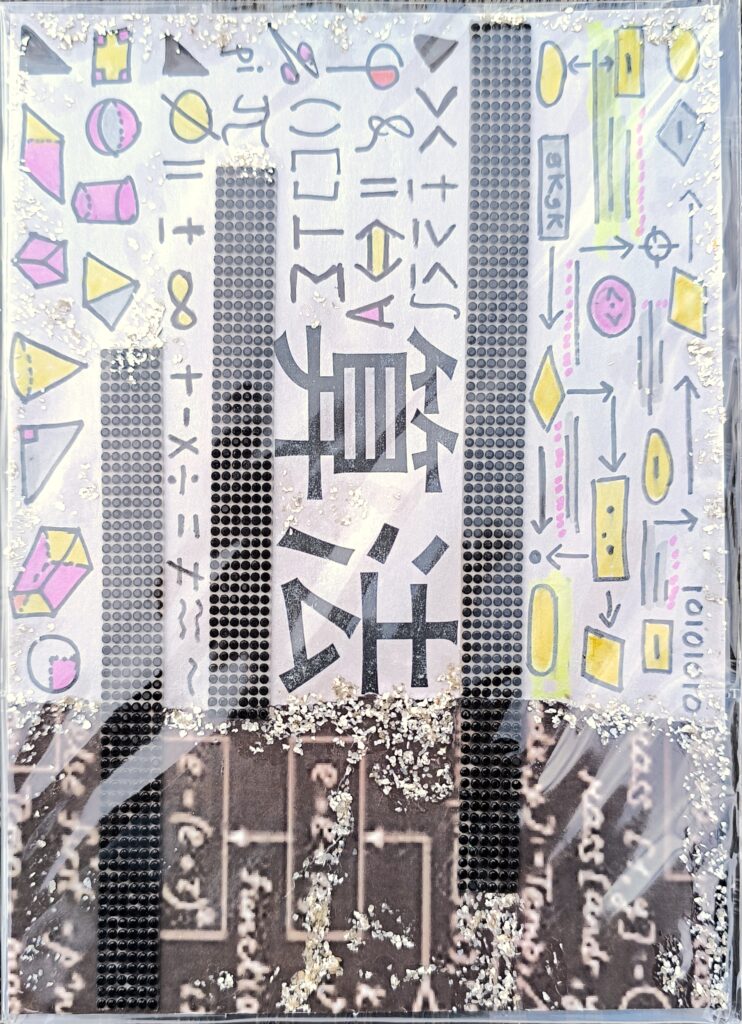
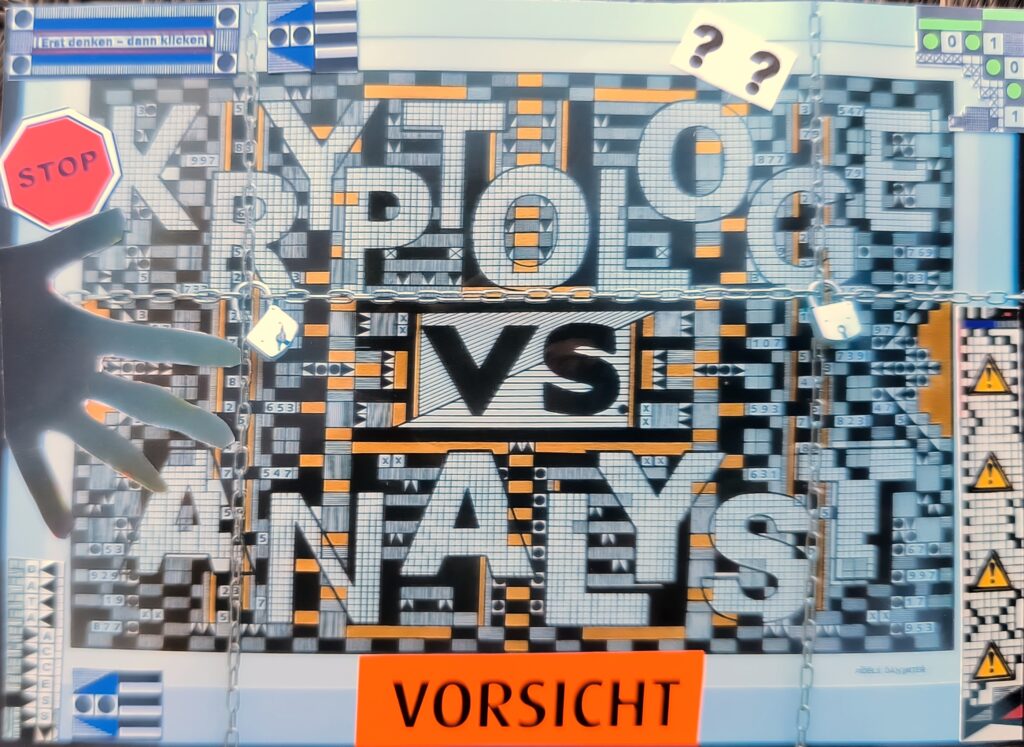
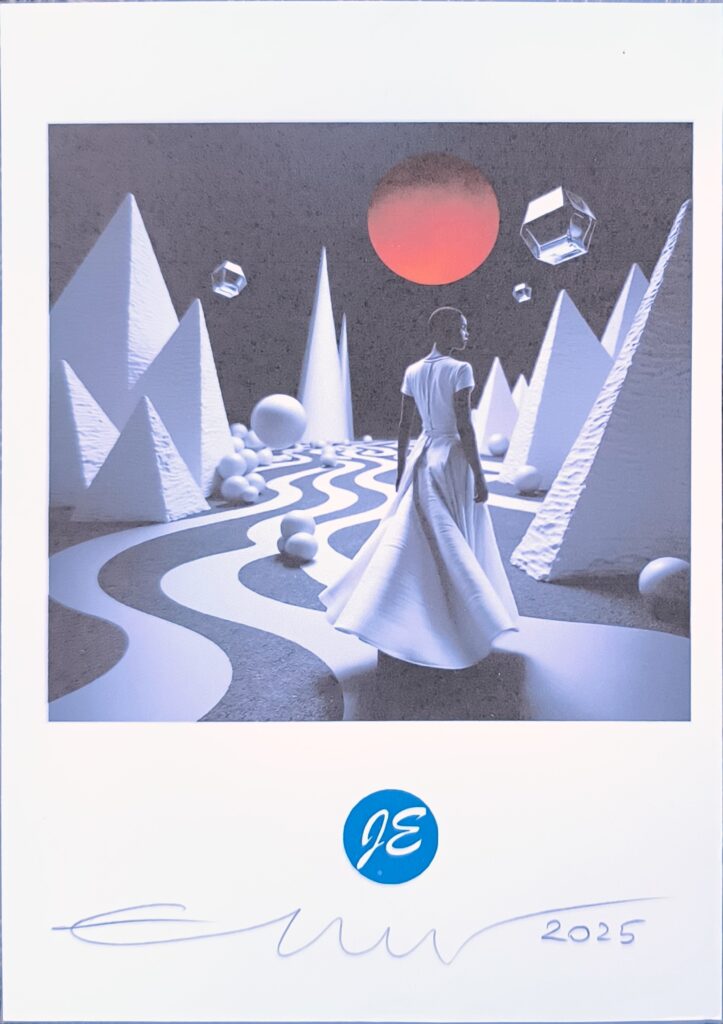
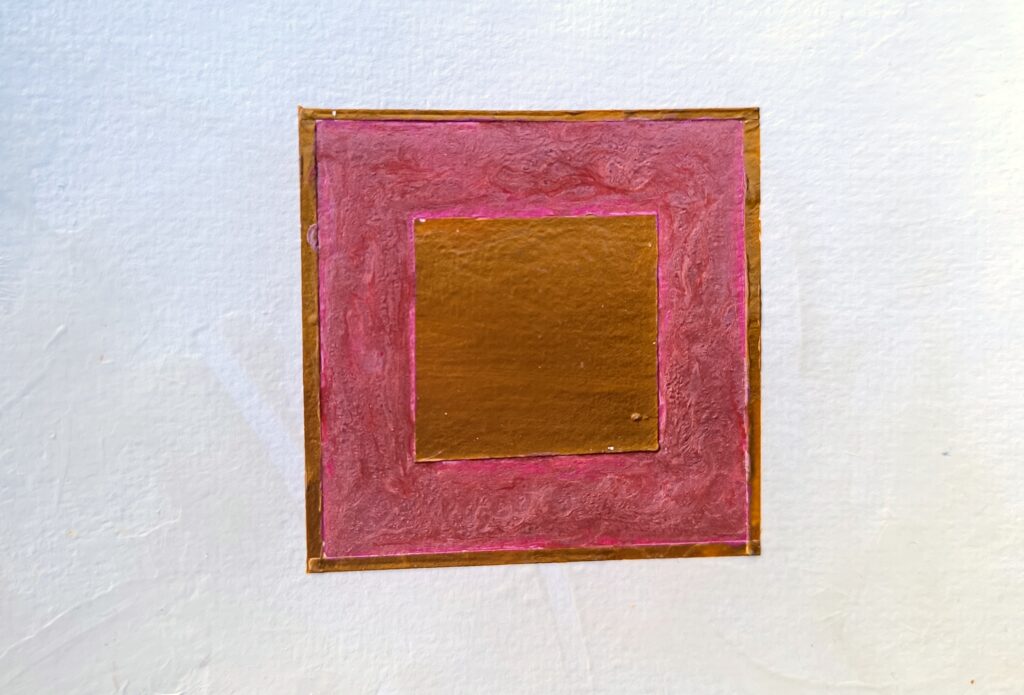
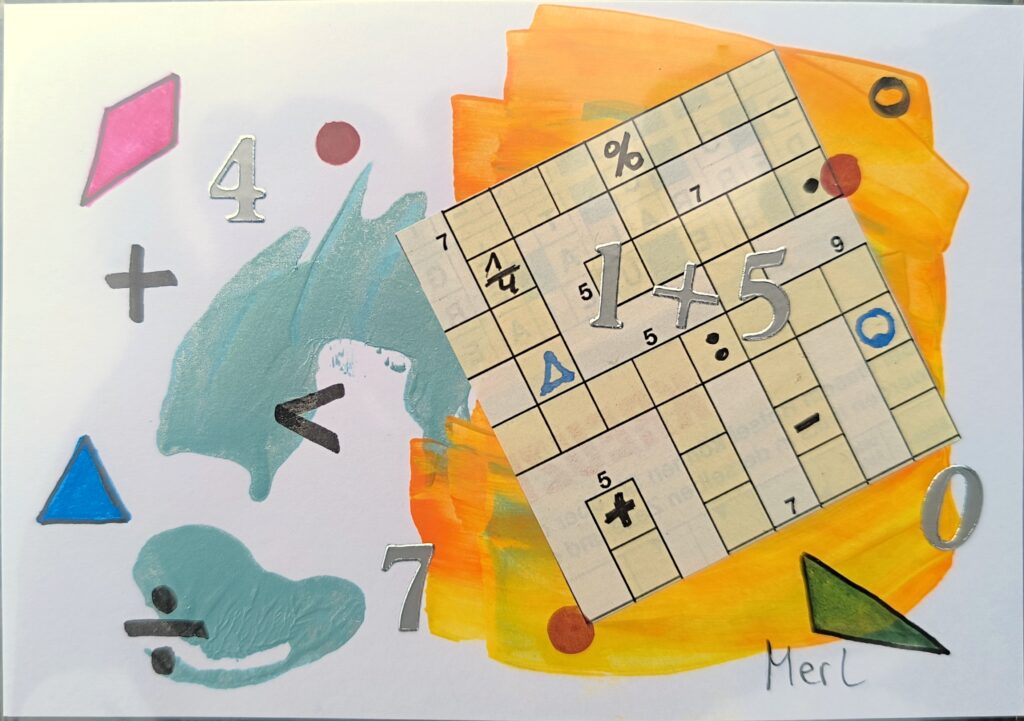
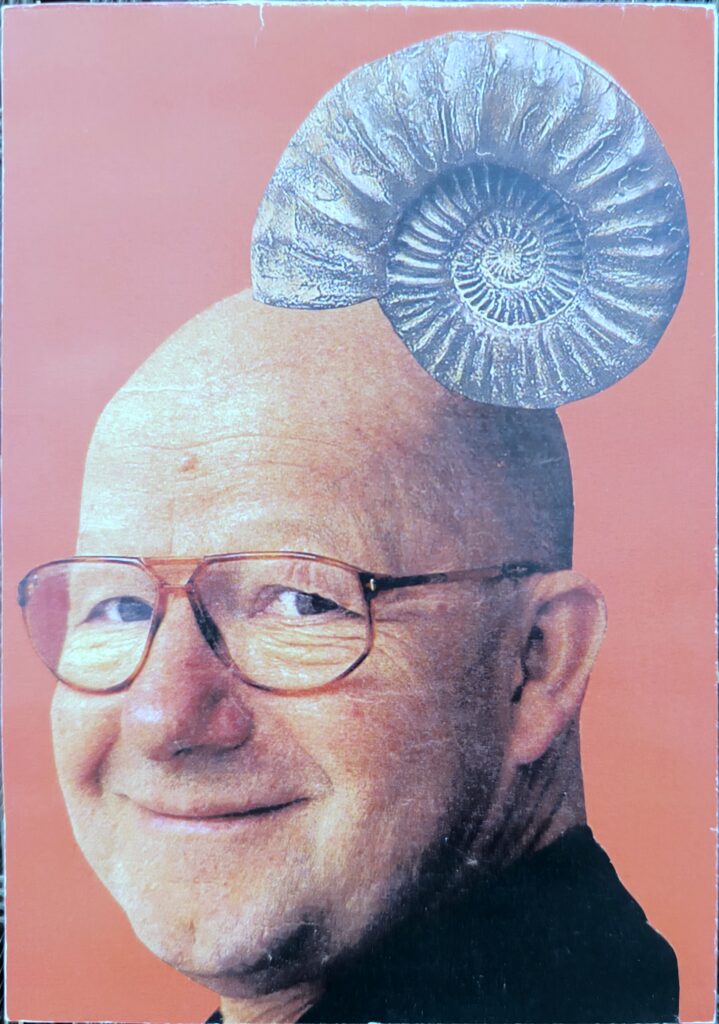
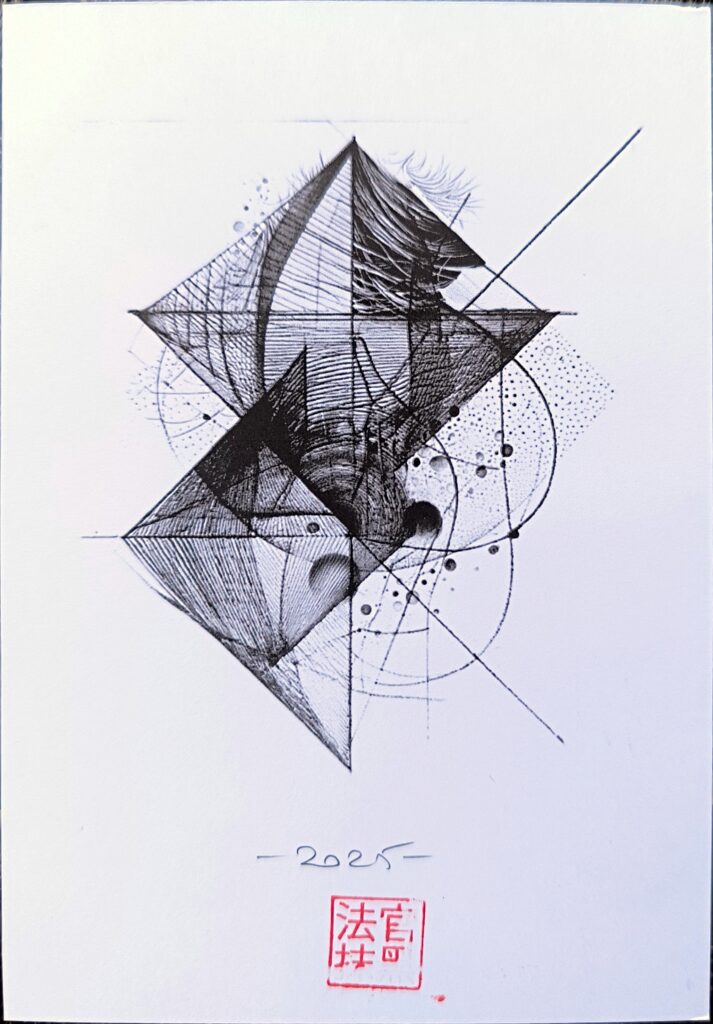
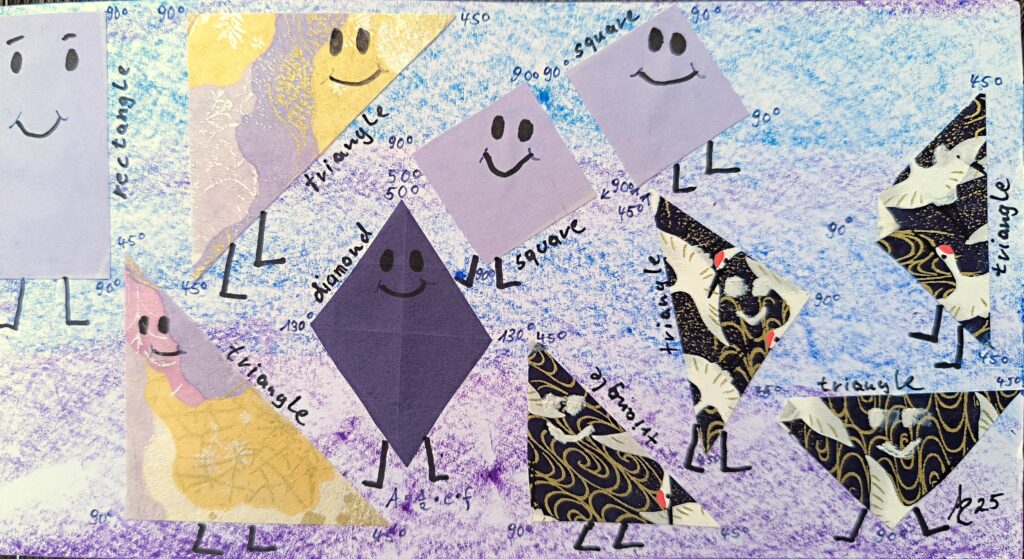
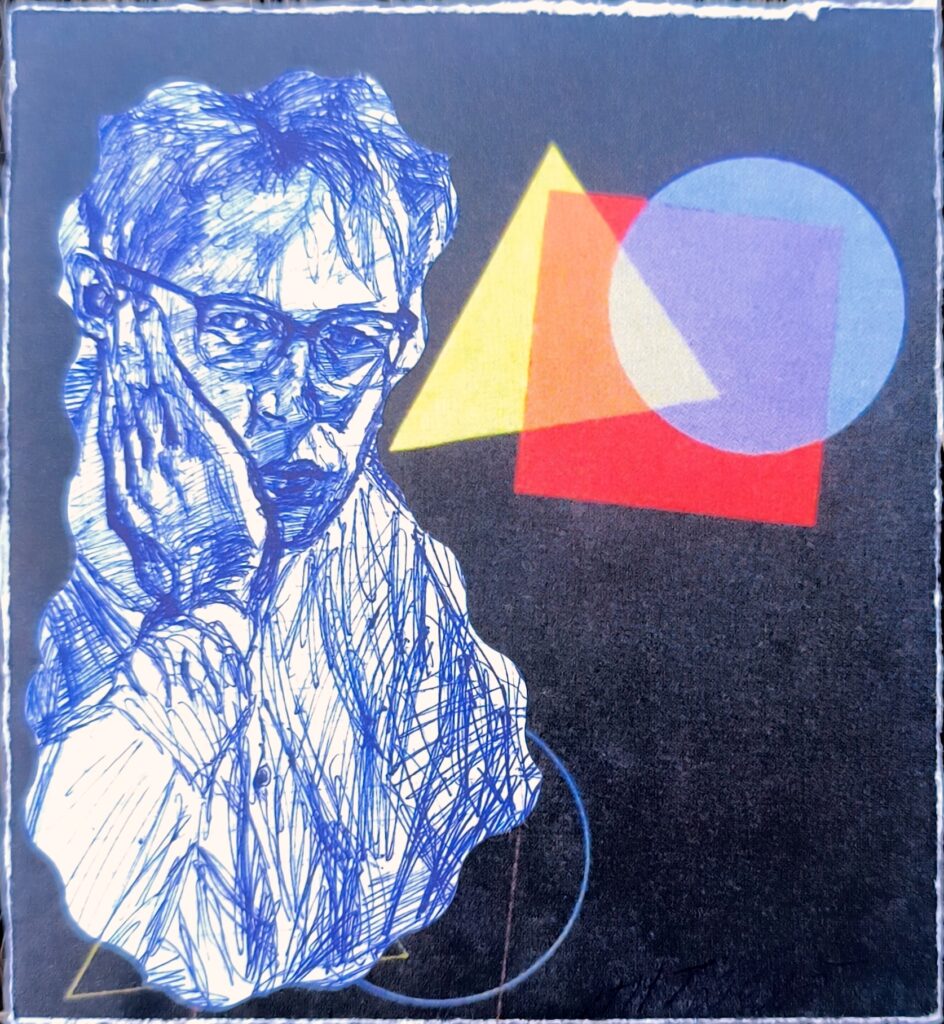
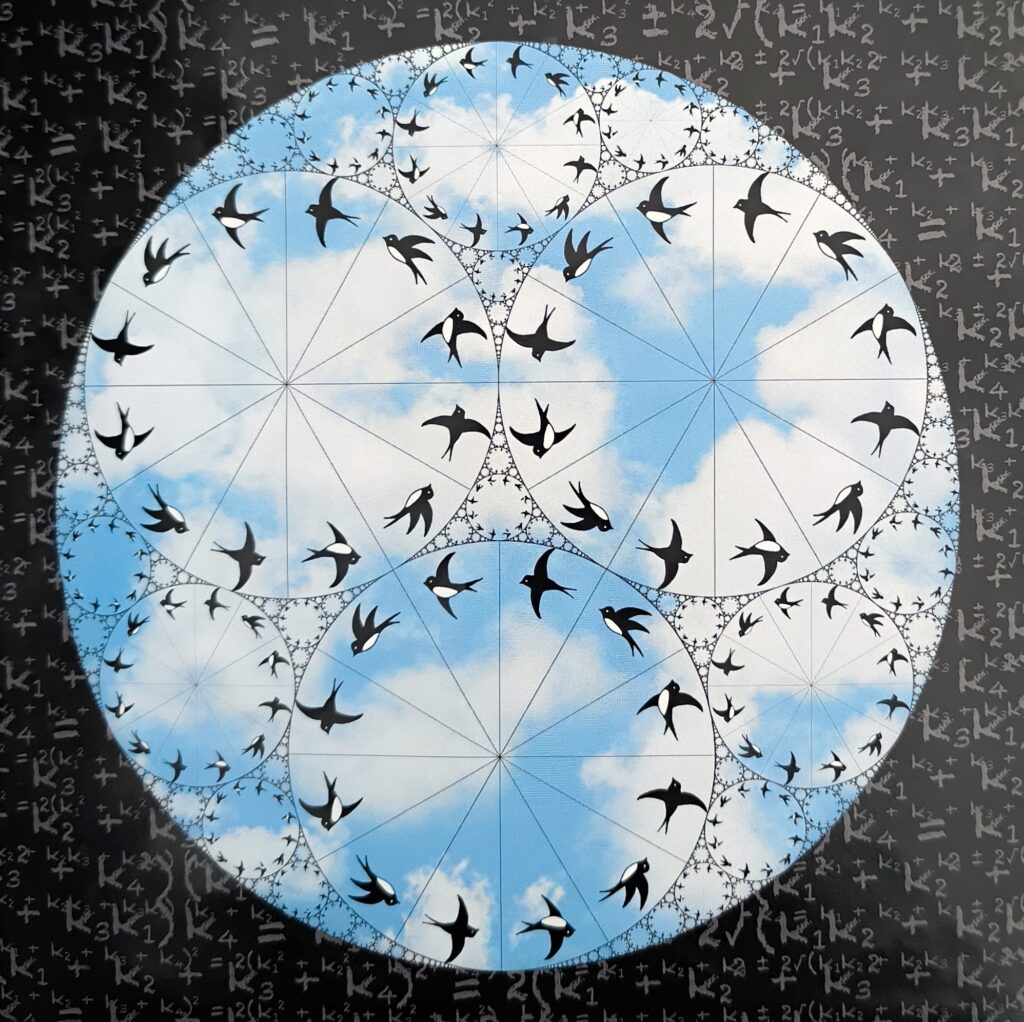
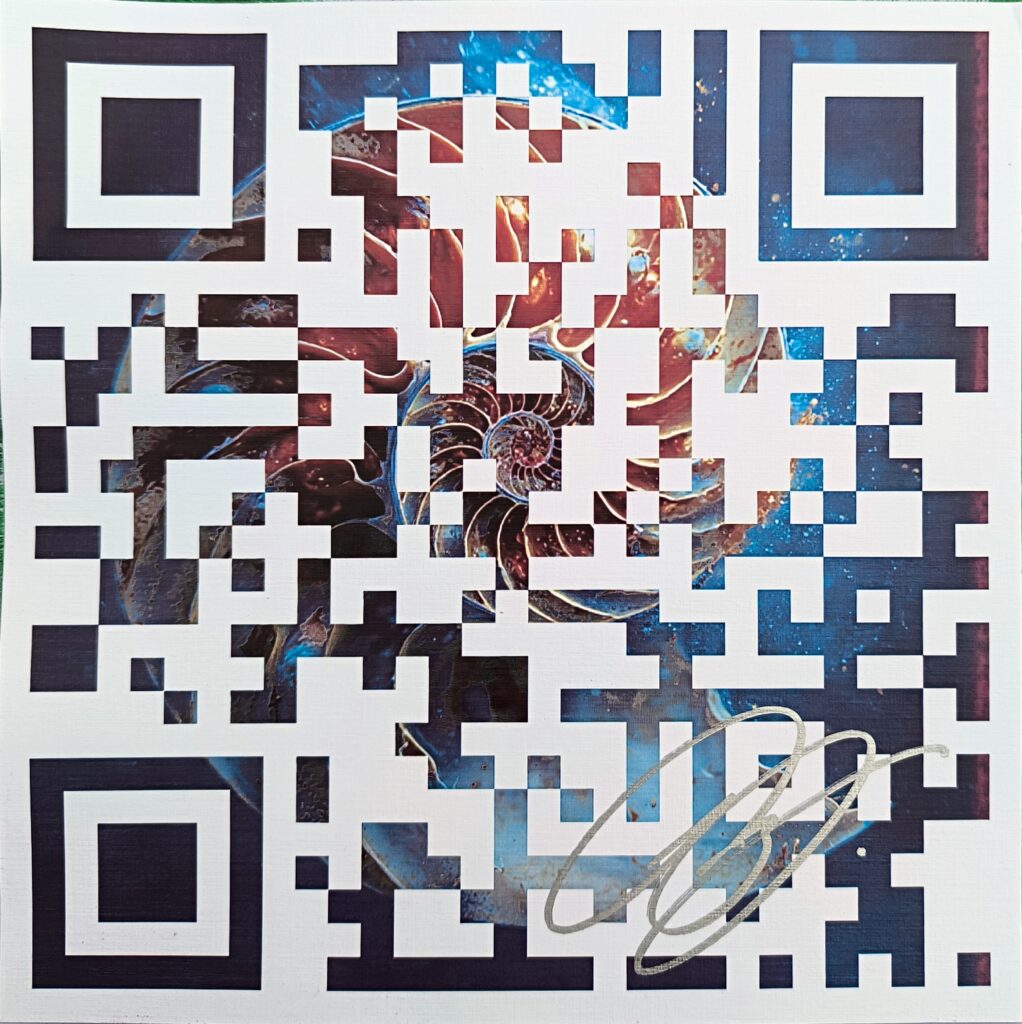
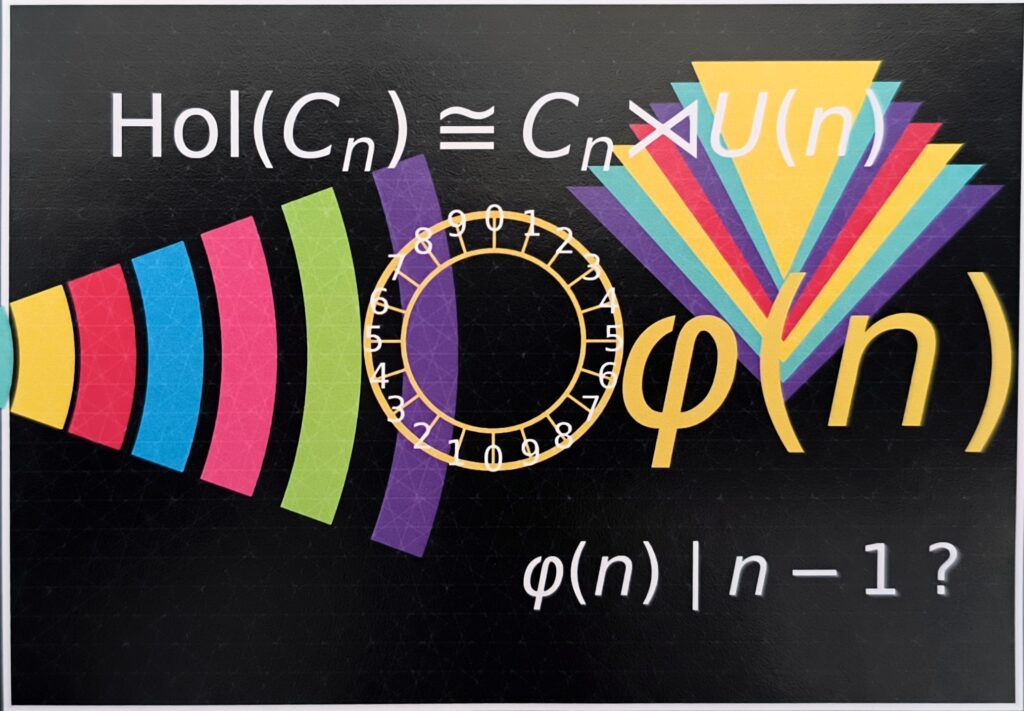
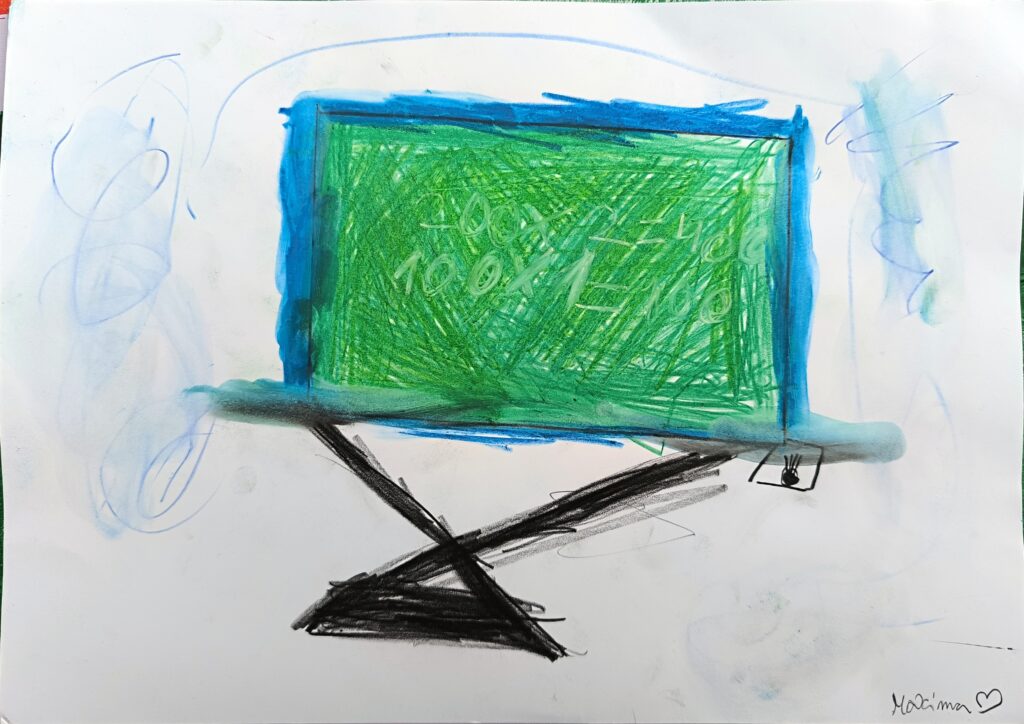
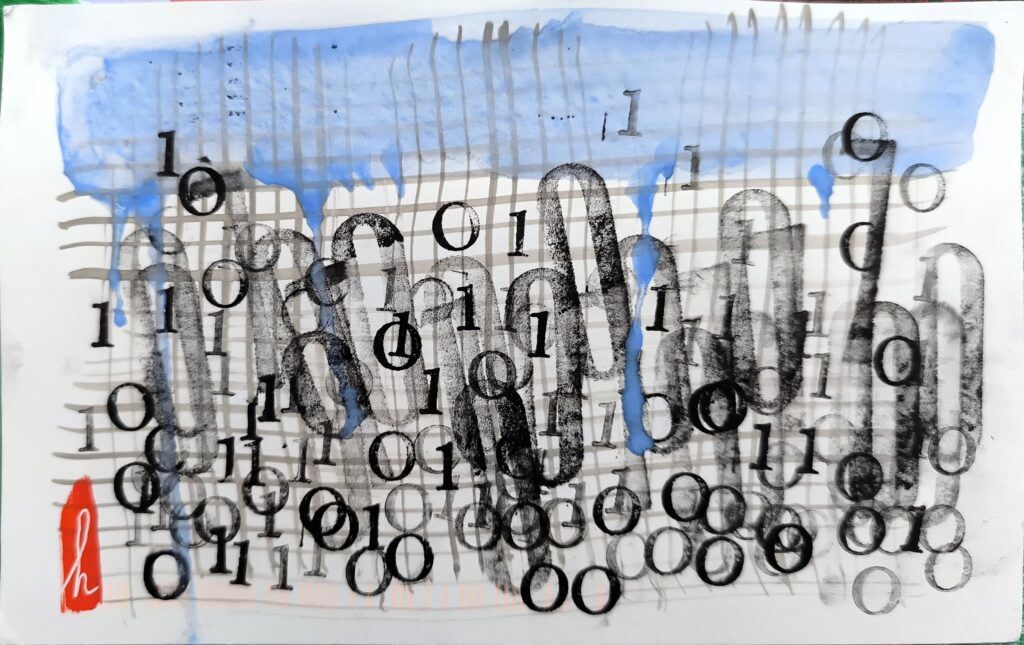
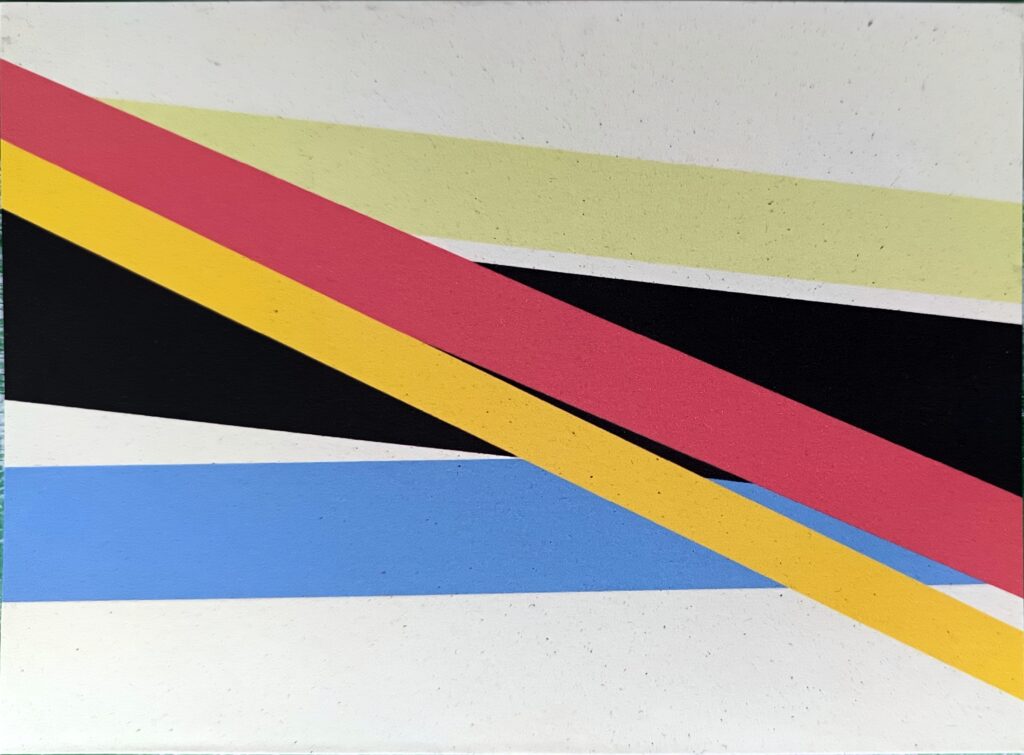
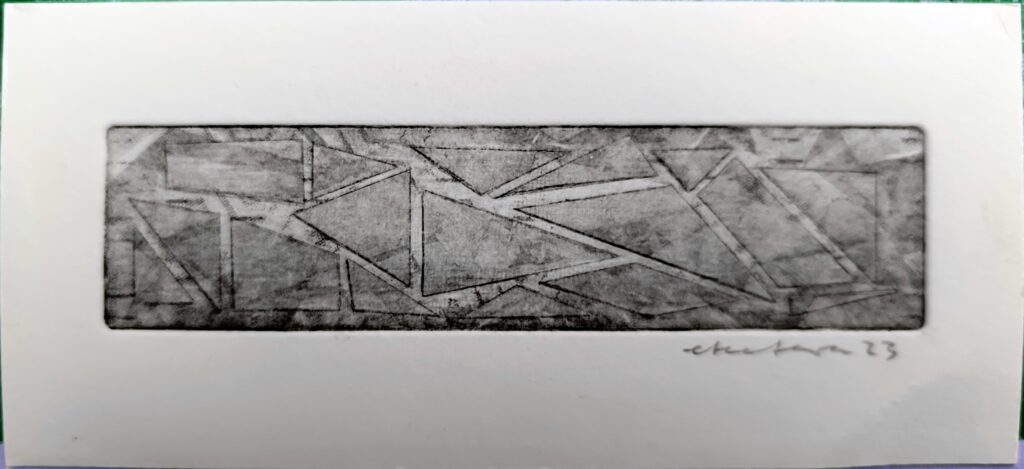
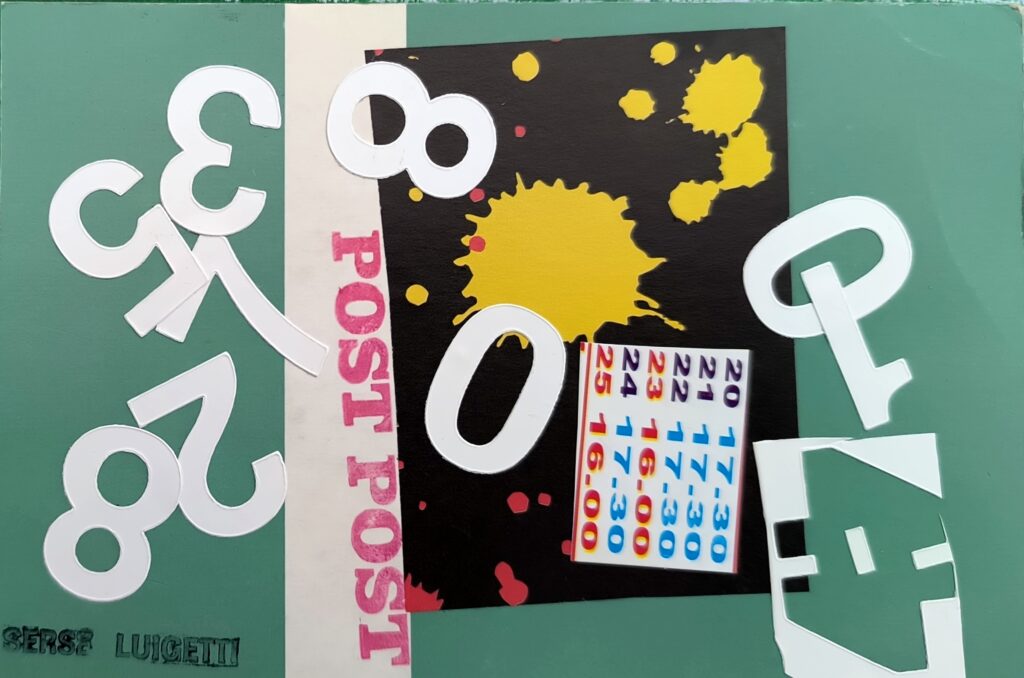
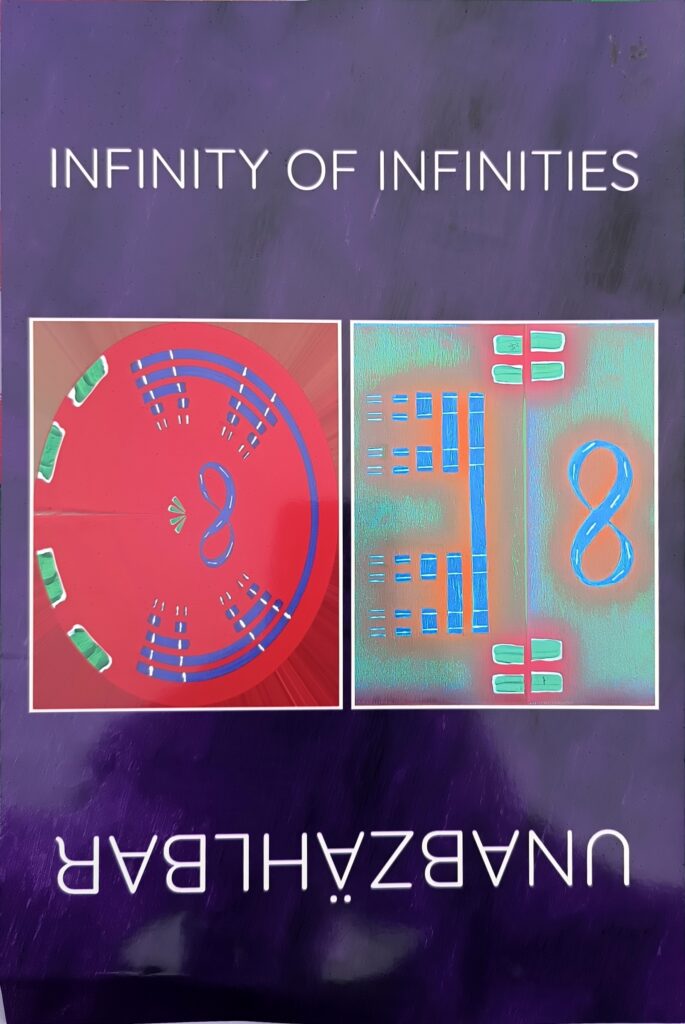
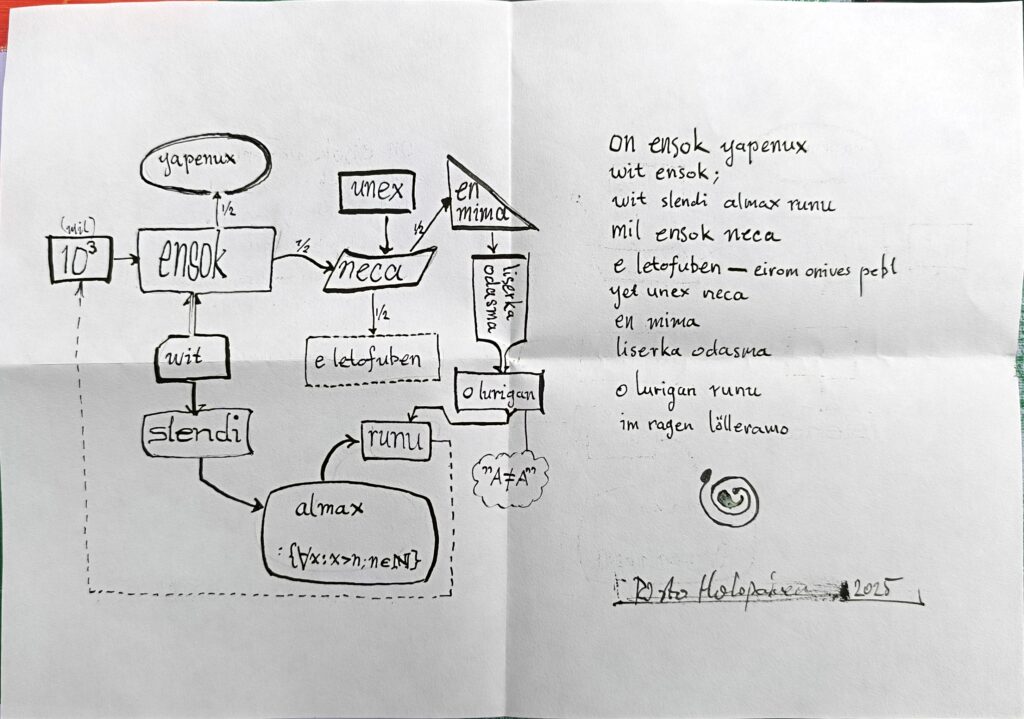
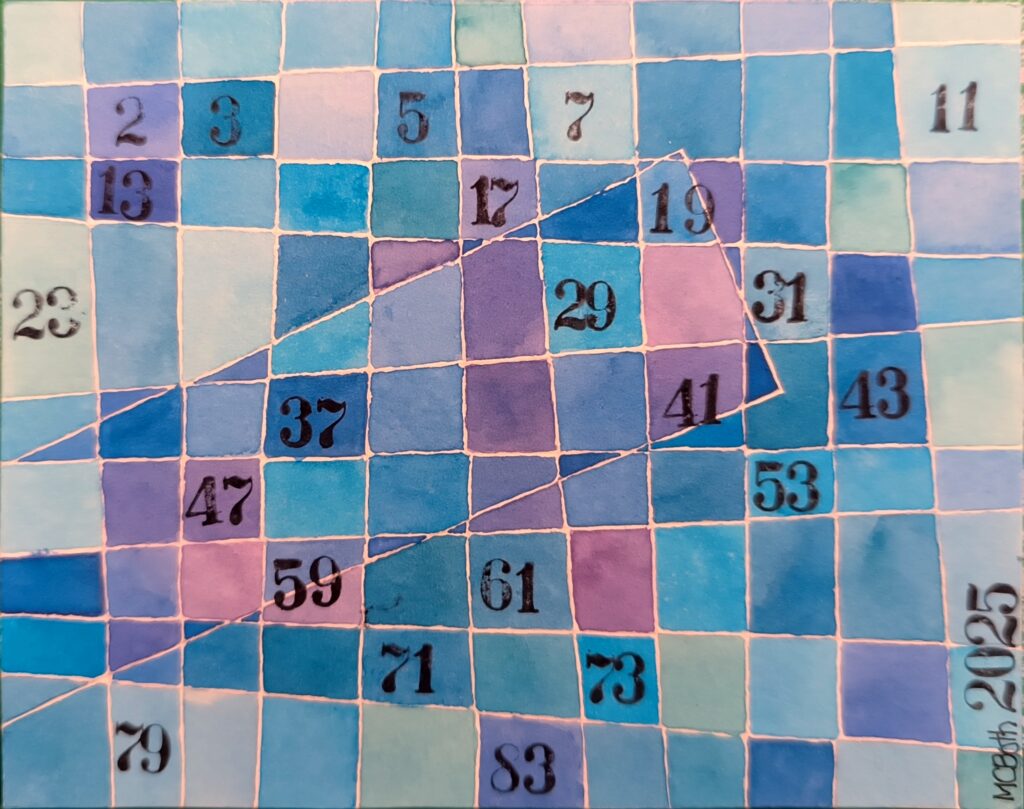
Curatorial Text
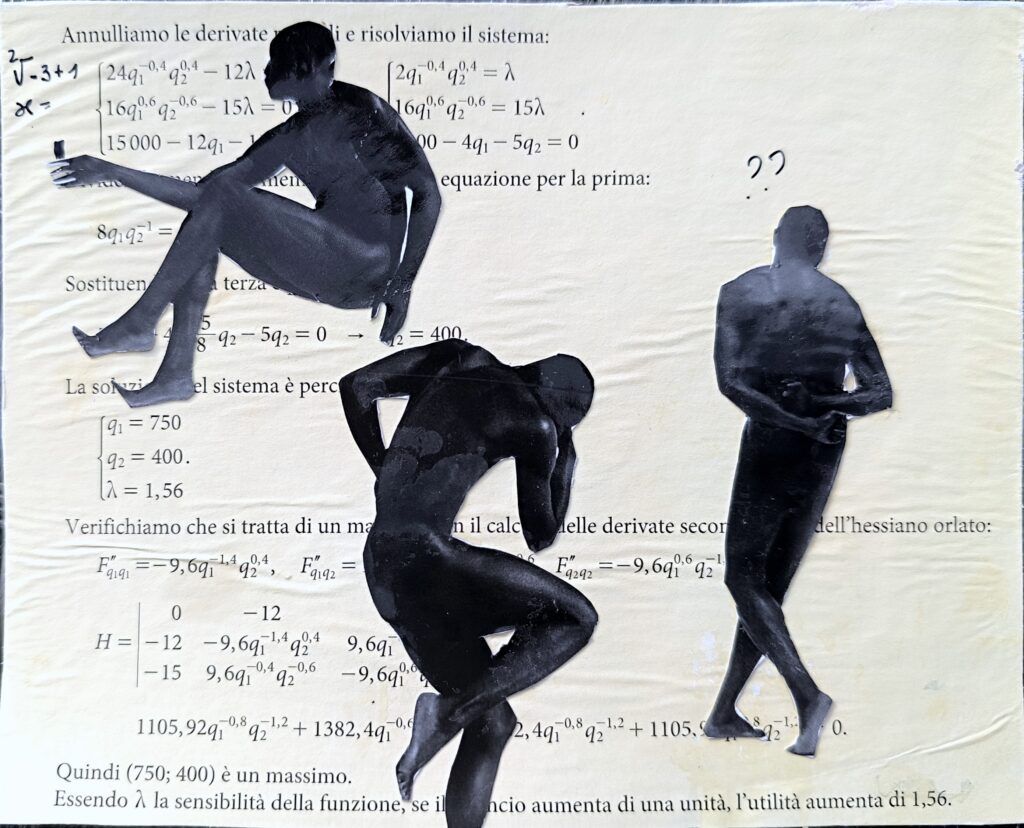
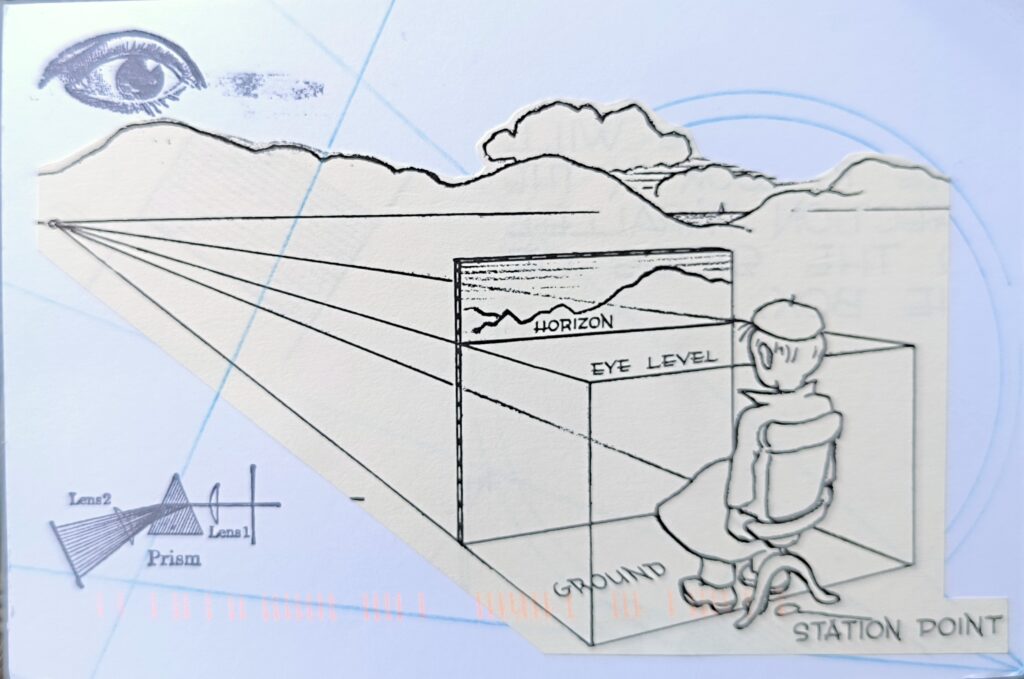
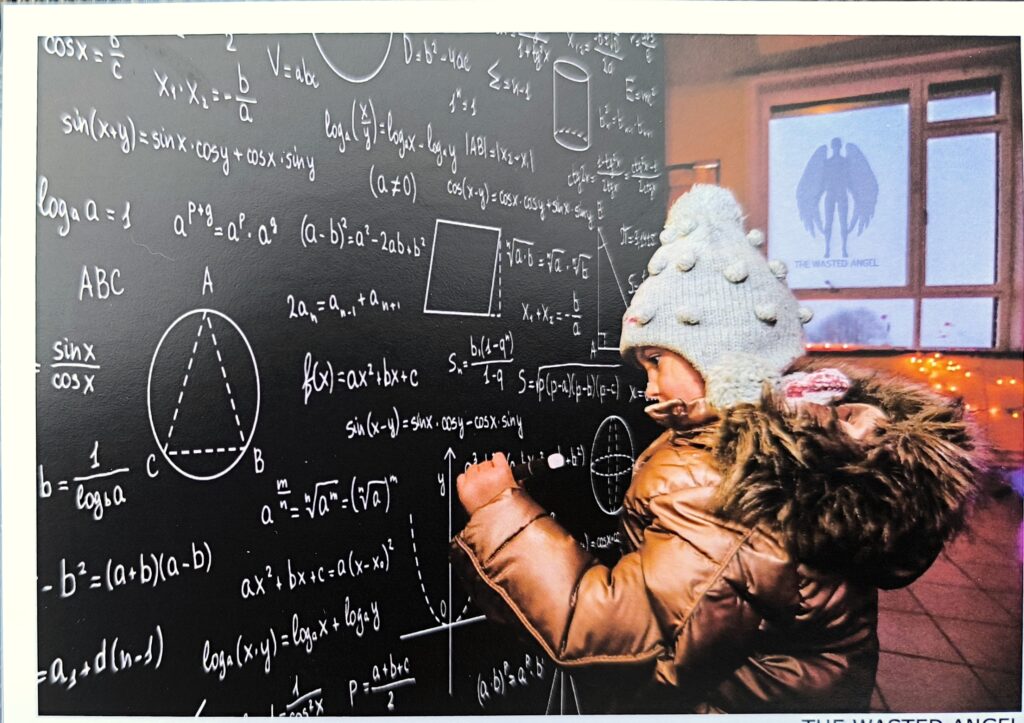
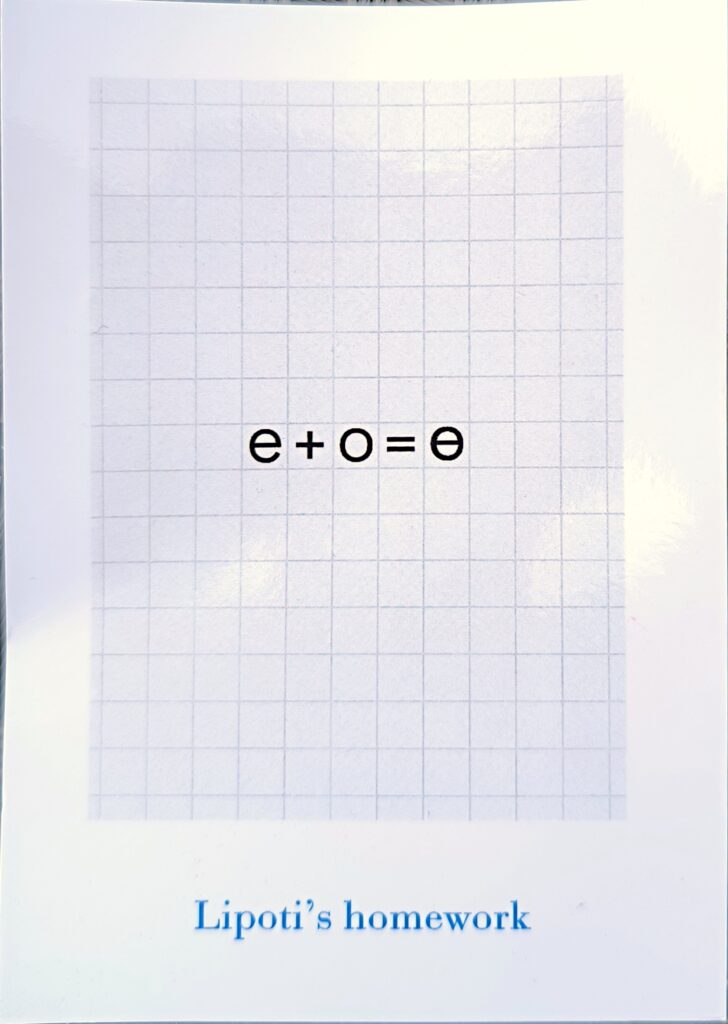
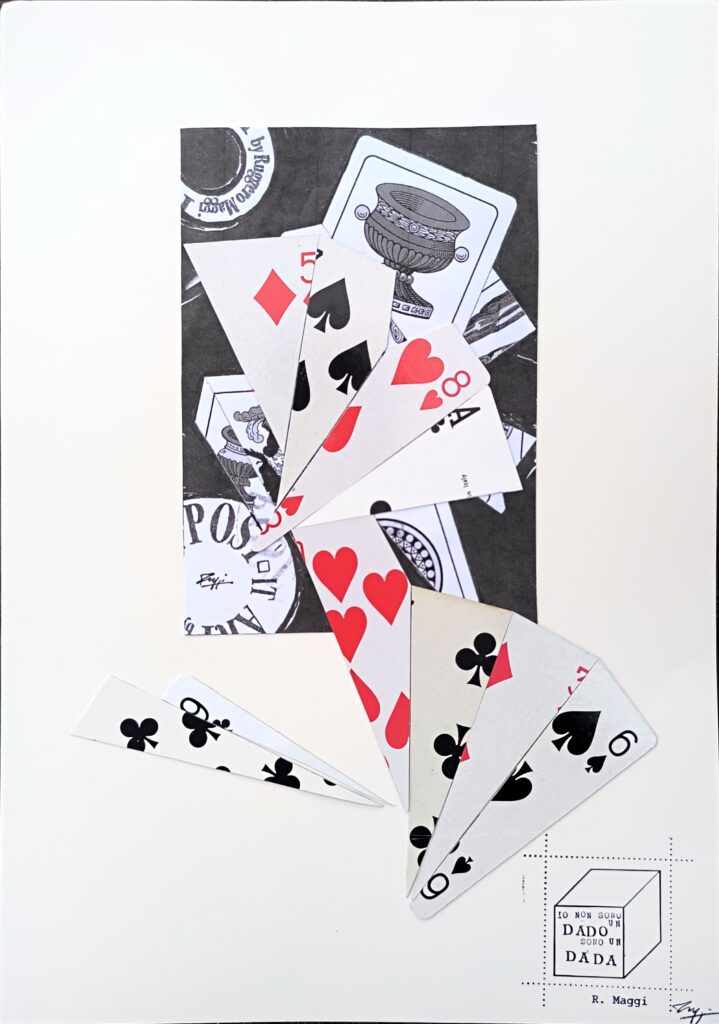
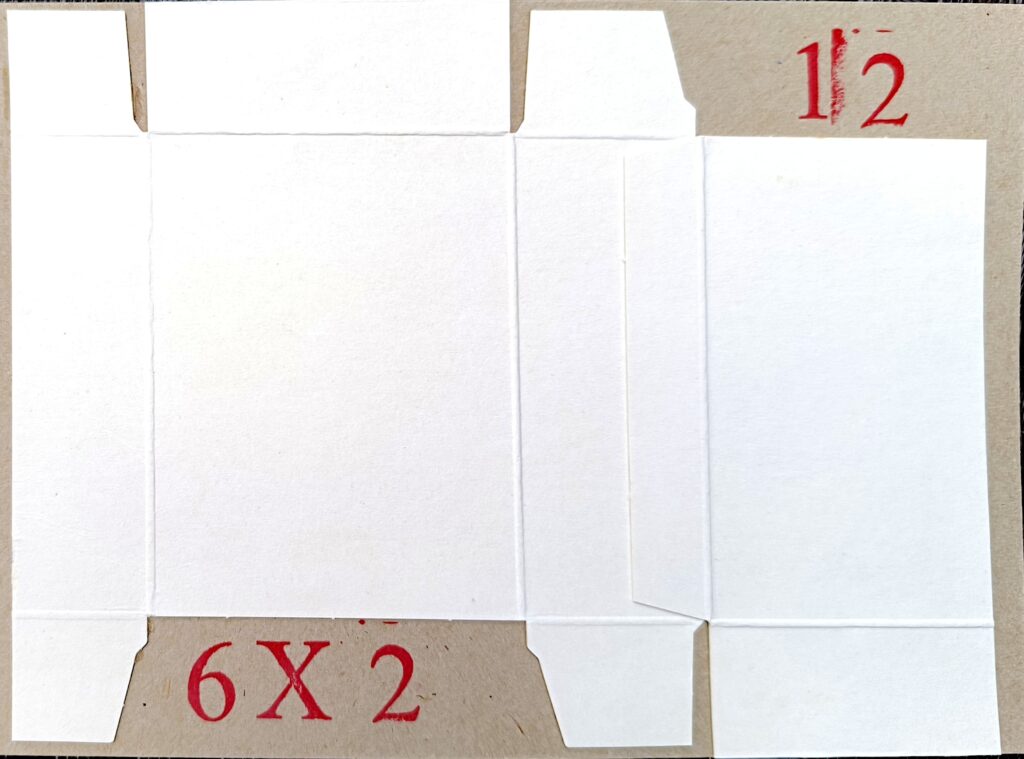
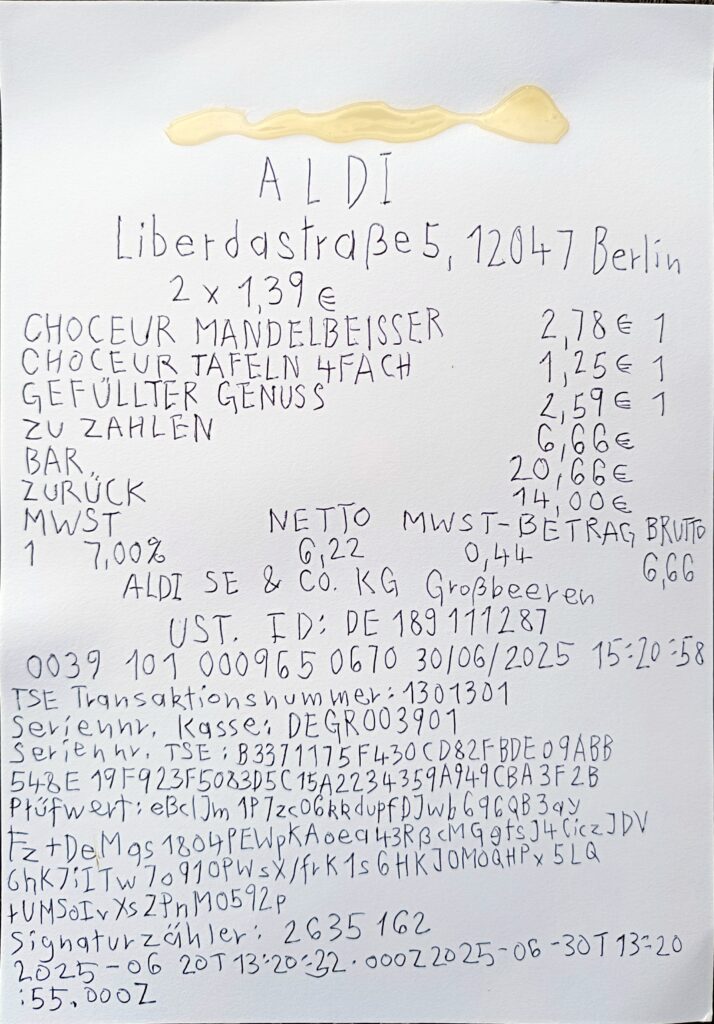
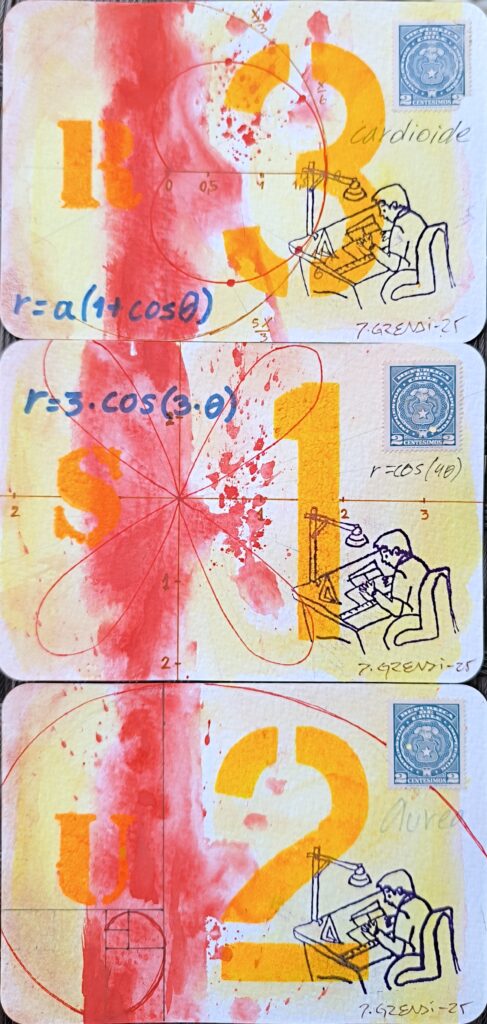
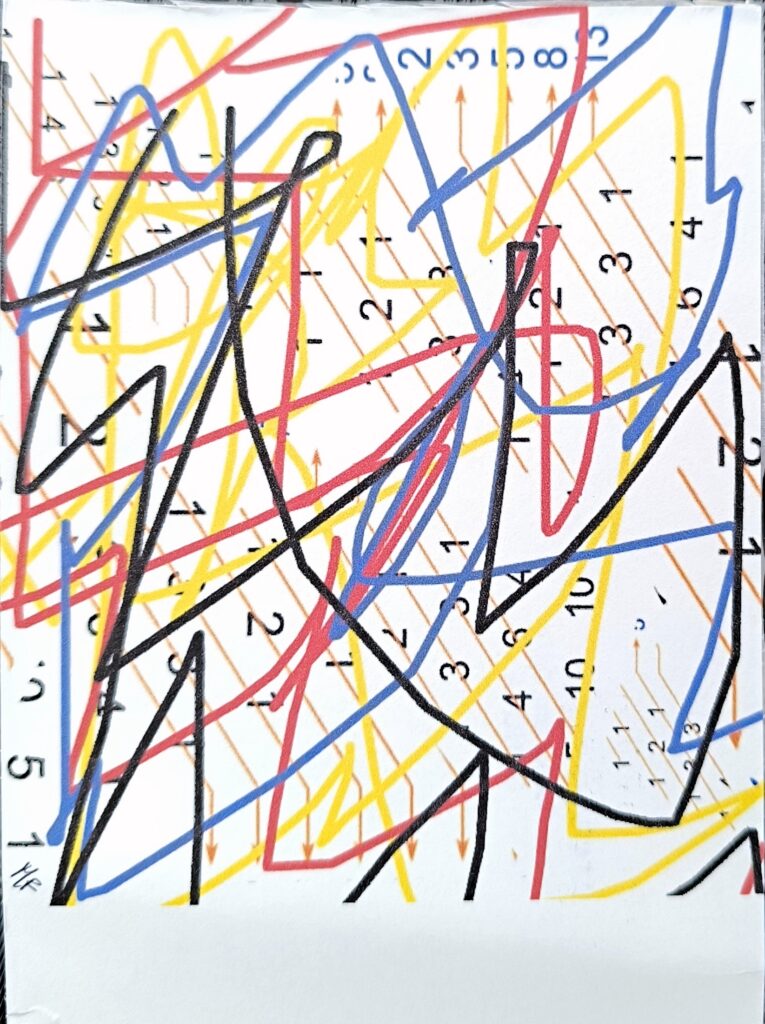
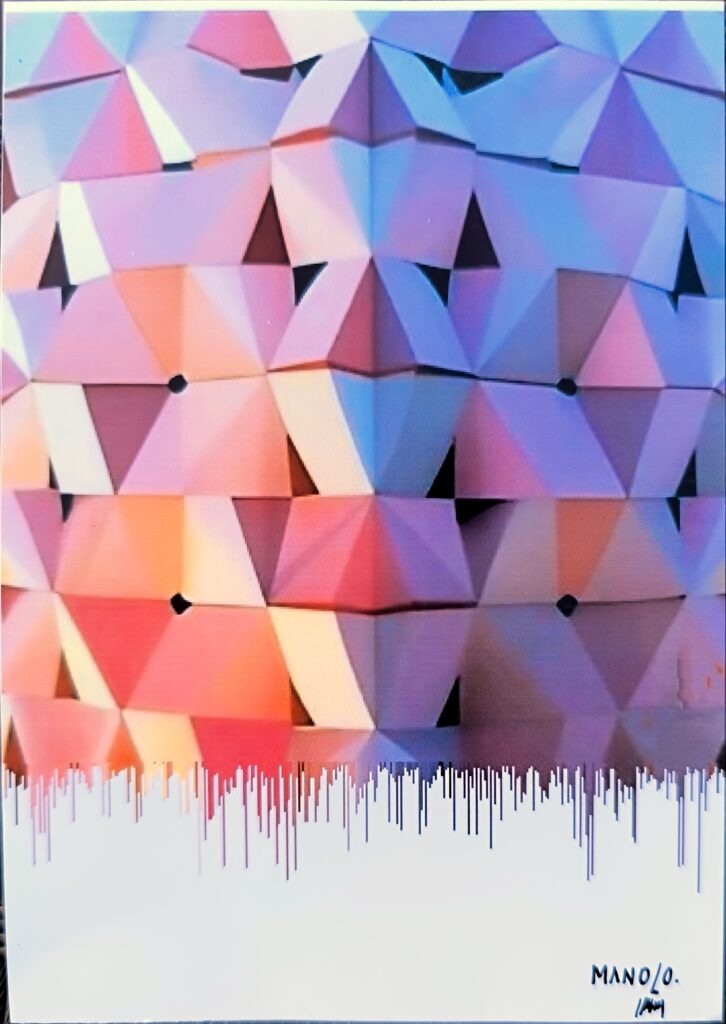
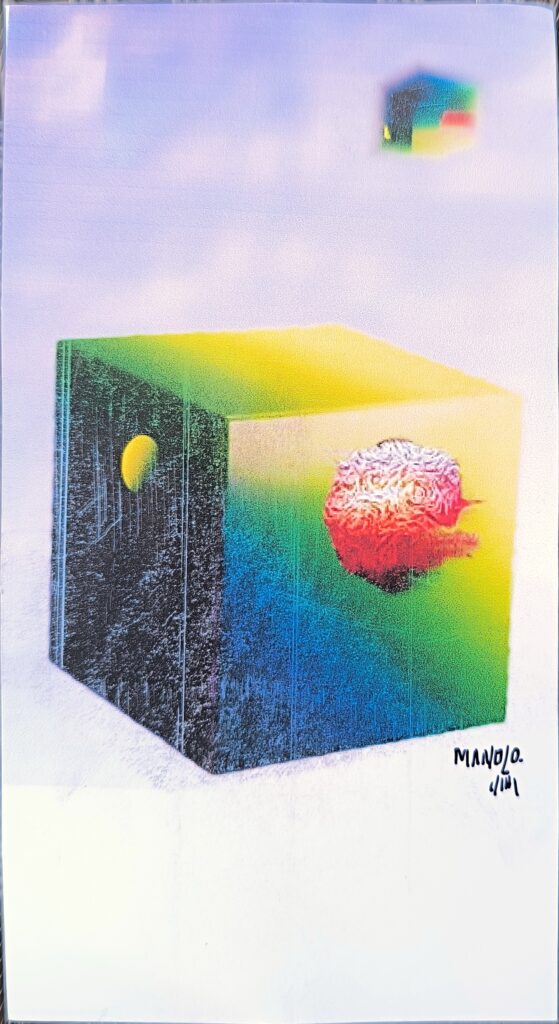
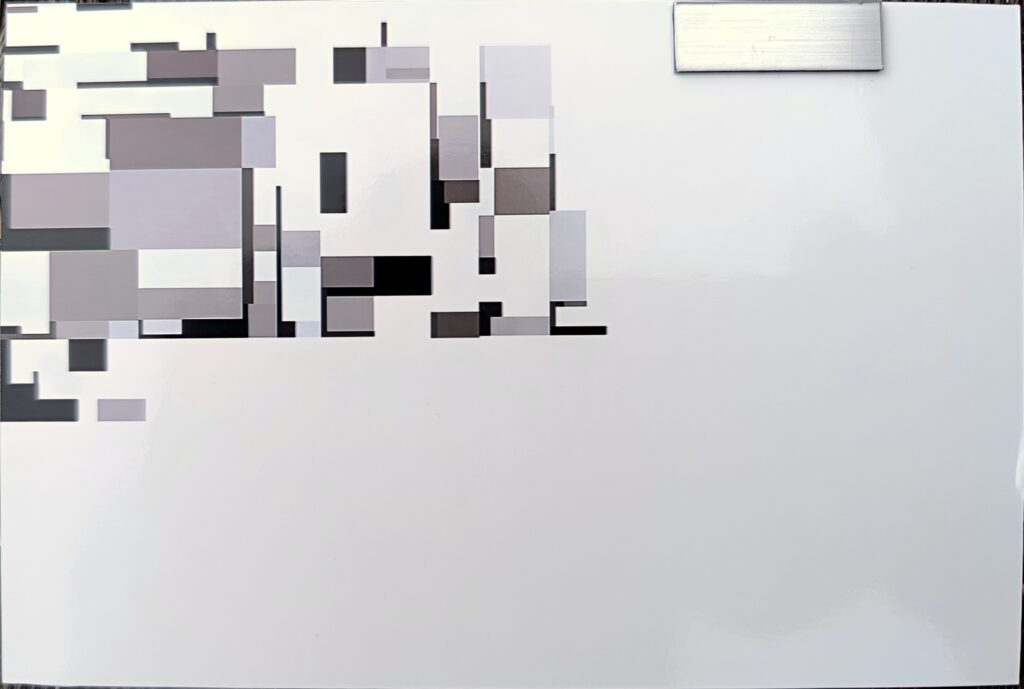
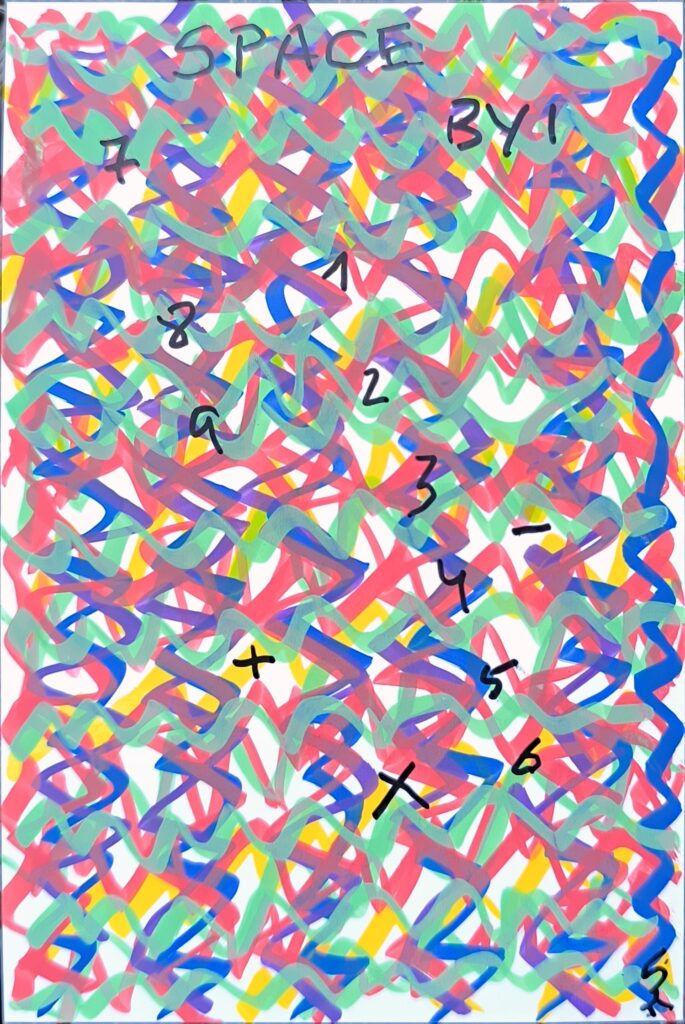
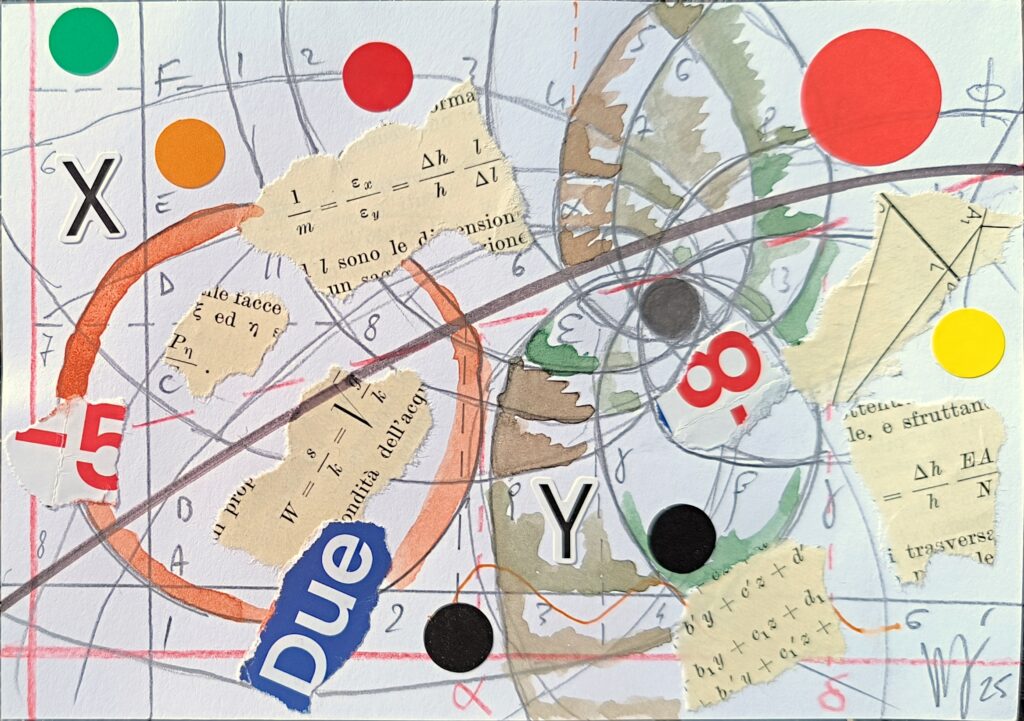
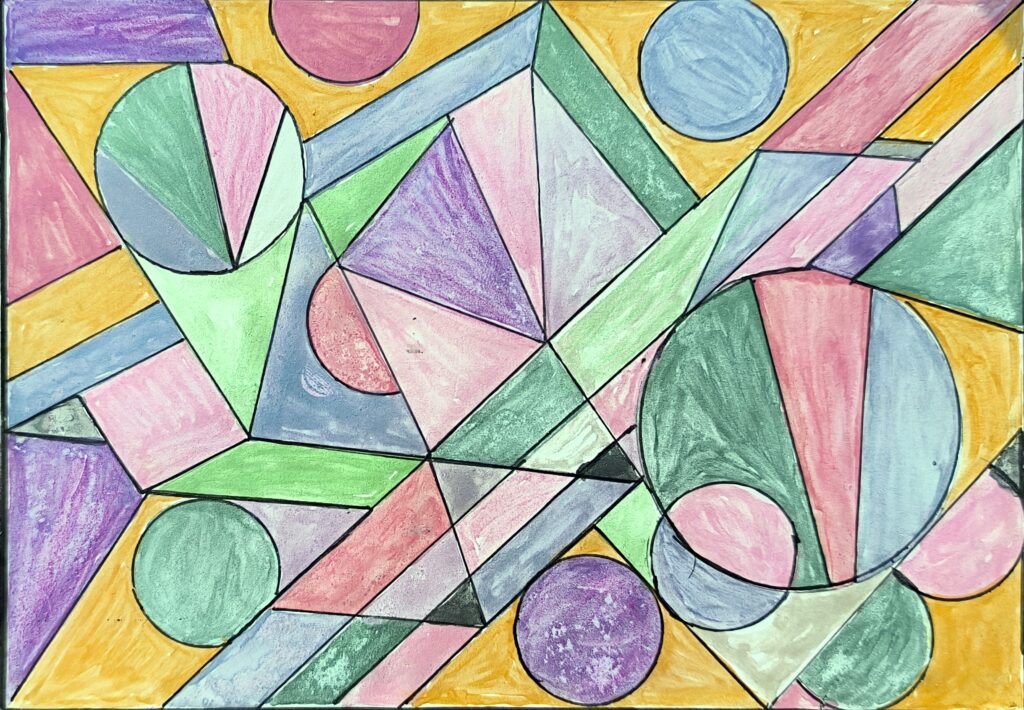
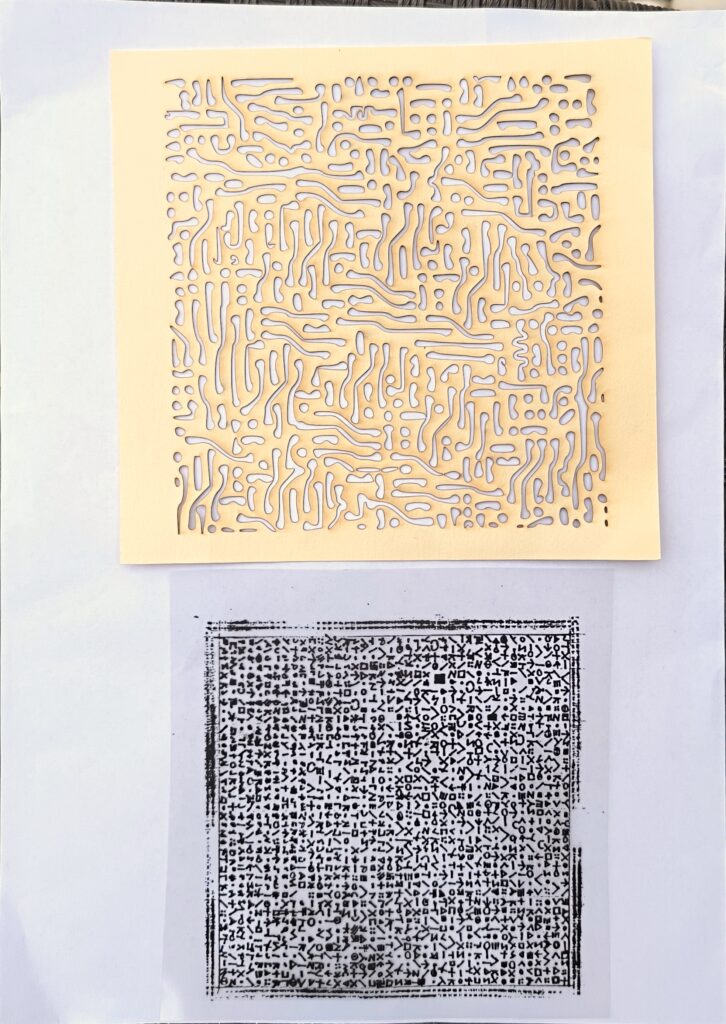
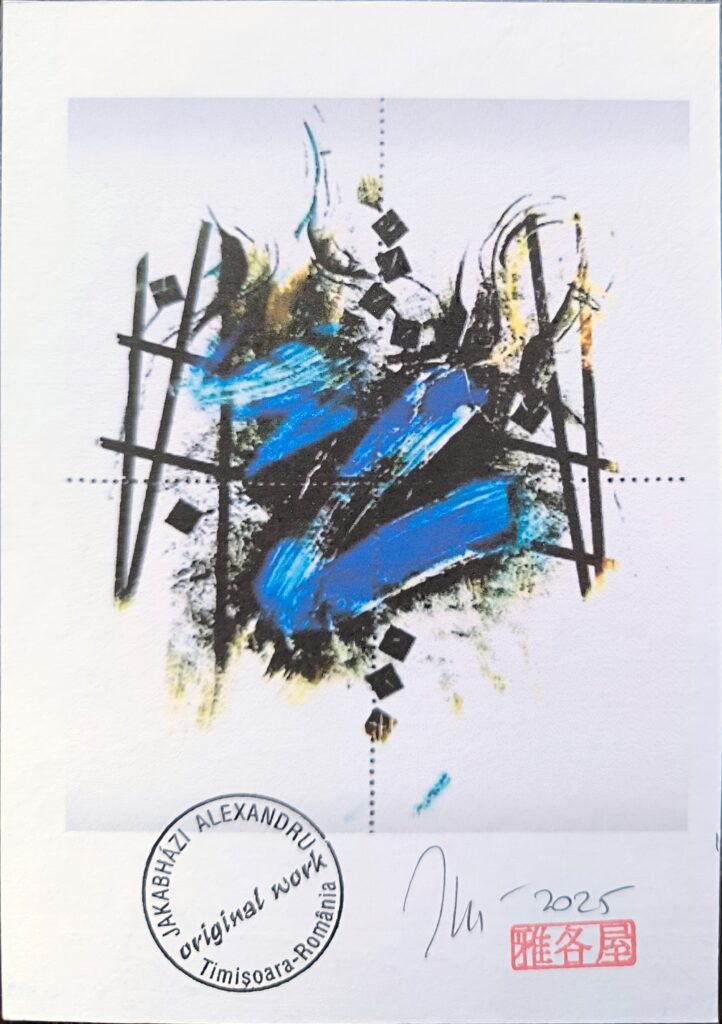
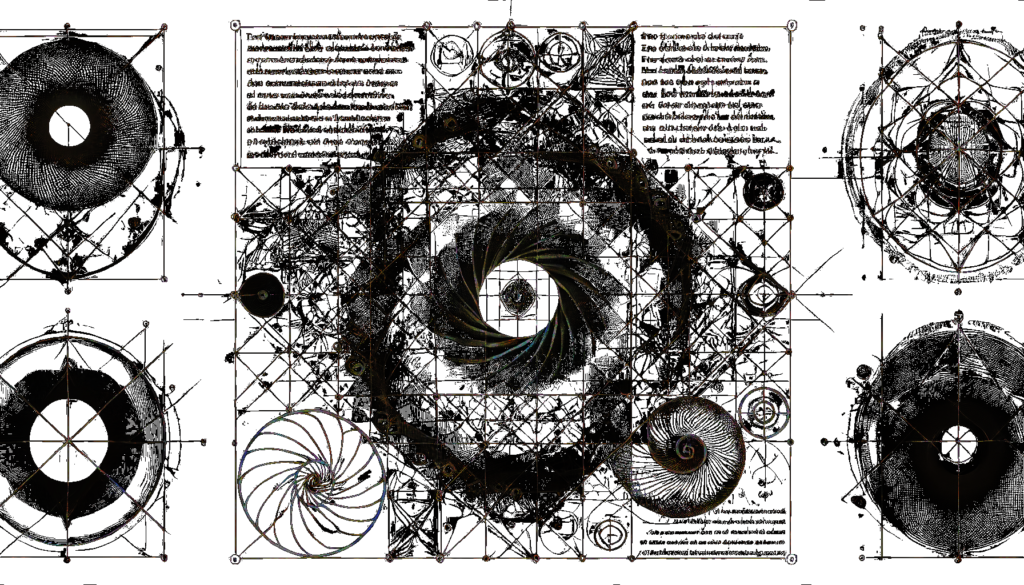
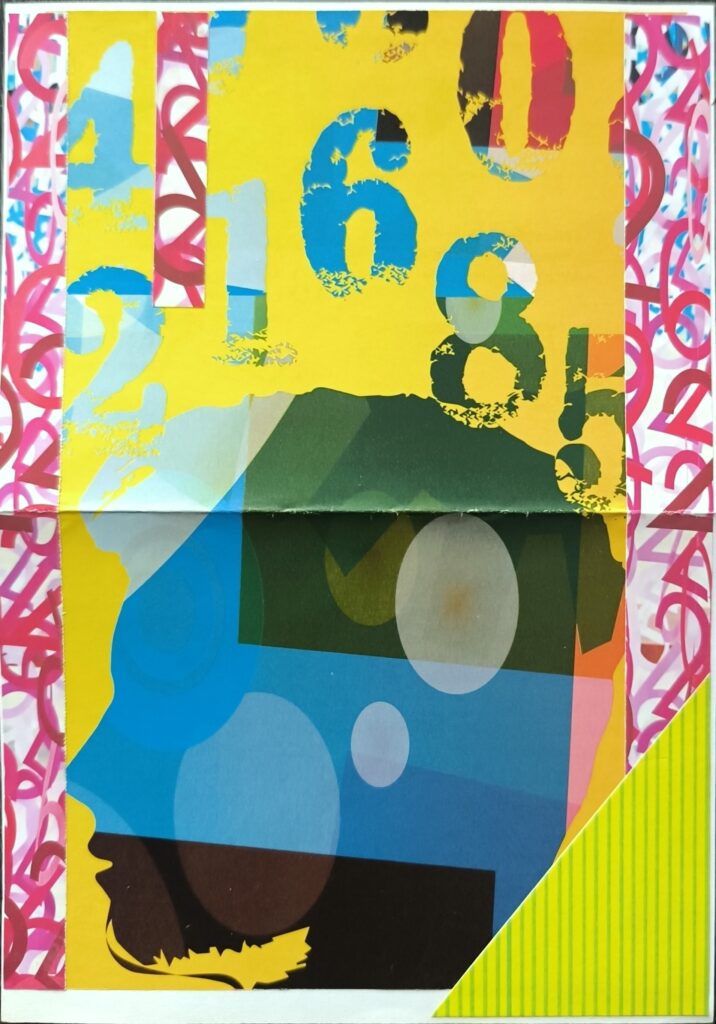
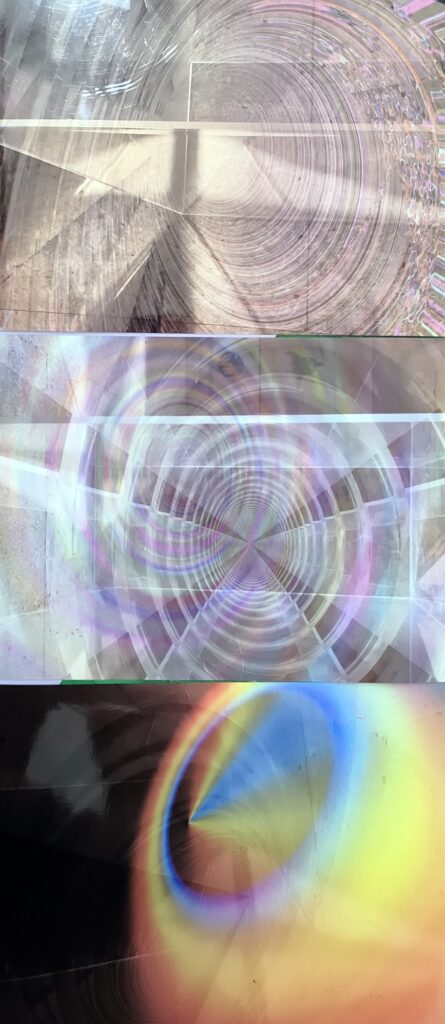
Space by I opens with the working hypothesis that mathematics, geometry and language function not only as references within art, but also as methods – rules, constraints, and transformations that generate form and meaning. This inaugural online edition features works in which structure is constitutive, rather than merely decorative. Amongst these are works incorporating grids and sequences, operators and lattices, scores and algorithms, and poetic logics in which lines of text function like functions and silences function like axioms.
Being the first edition, the selection was a conscious and generous process. Rather than narrow it prematurely, there was an attempt to take a broad sample of practices and map the field. I have only declined submissions that clearly did not meet those criteria: a clearly articulated and rule-based system or a mathematical or logical relation; a traceable process- iteration, constraint, transformation or algorithm; and an authorial decision-making exceeding mere ornamentation or stylistic geometry. In other words, the work has to bear witness to its own making- some sort of an internal “proof”- visual, procedural, or textual.
The exhibition is interested in how form thinks. A rule is a device, not a prison; a gap is an operative, not an absence, repetition is a test, not redundancy. Many works in this exhibition let viewers read rather than merely see them. They allow viewers to trace how a result follows from a premise, how an error becomes theorem, how a blank gap-what we colloquially call “negative space”-stabilizes the whole, much as zero may stabilize an equation. It is not a question of if art can represent mathematics, but whether or not logic can be felt by the viewer and precision can be felt.
This edition represents three active categories on the platform: mail art, mathematical poetry, and research papers. Media range from images, text to sound, video, and further to interactive or algorithmic pieces. Traditional and digital approaches are shown side by side. What is important is the transparency of the procedure and coherence between the rule and the result.
From Edition II onwards, the bar will rise. A more selective process, using explicit published criteria, such as clarity of method, consistency between stated system and apparent output, technical quality commensurate with that which is claimed and a brief note on process – and code/score where used – will be applied. AI-assisted works are still admissible but authors will need to articulate the contribution they make and the model’s or tool’s decision-making role there is/has been. SPACE BYI is not a museum of formulas. It is a place to explore the coexistence of rigor and sensitivity: a place where a proof can falter, a poem might calculate, an image might embody both uncertainty and resolution. Thanks to all contributors to this inaugural edition for trusting the rules enough to bend them, and to allow speaking in the space between the steps.
Curated by Radoslav Rochallyi
Press Kit
PRESS RELEASE
Space Byi, Edition I (2025) hosts an online exhibition where mathematics, geometry, and language are methods rather than themes. Images, text, sound, and video interactive or algorithmic works demonstrate their process: grids, sequences, operators, lattices, constraints, and transformations that allow viewers to step through how a result is arrived at from its premise. Located at the intersection of art and STEM, SPACE BYI regards the gallery as a research surface, a site where formal rigour and sensory attention are coproducers of meaning.
Venue: Online
Dates: 2025–2026 (TBD)
Website: space.rochallyi.com
Press: info@rochallyi.com